كل ما تحتاج إلى معرفته عن بطارية إنارة الشوارع بالطاقة الشمسية. هذه هي الحقيقة القاسية للإضاءة الشمسية: إن أغلى عنصر في الإضاءة الشمسية ليس الأجهزة - بل الشاحنة التي يتم استئجارها لاستبدال البطارية المعطلة. عندما تتعطل الأضواء قبل الأوان، يمكن لفاتورة الصيانة الخاصة بطواقم العمل والتحكم في حركة المرور أن تقضي على الفور على عائد الاستثمار المتوقع. إن البطارية هي "قلب" النظام، وهي التي تحدد كلاً من الاستقلالية والربحية. في هذا الدليل، ننظر في هذا الدليل إلى ما وراء أوراق المواصفات لمقارنة الكيميائيات، ونقدم دليل تحجيم لا معنى له، ونوضح التحول القوي في الصناعة نحو LiFePO4.
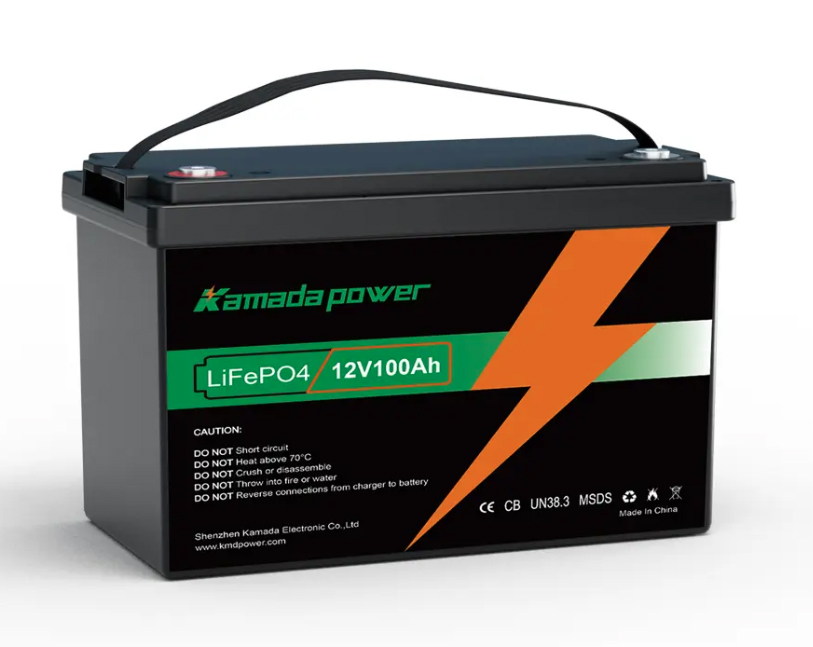
بطارية كامادا باور 12 فولت 100 أمبير لايفبو 4
ما هي أفضل بطارية إنارة الشوارع بالطاقة الشمسية؟
إذا كنت تبحث عن مناقصة بلدية أو قطعة أرض تجارية، فلديك ثلاثة خيارات بشكل أساسي. إليك الحكم السريع على كيفية تكديسها.
مقارنة: كيمياء بطاريات إنارة الشوارع بالطاقة الشمسية
| الميزة | الرصاص الحمضي / الجل | الليثيوم الثلاثي (NCM) | LiFePO4 (حديد الليثيوم) |
|---|
| دورة الحياة | 300 - 500 دورة | 800 - 1000 دورة | 2000 - 6000+ دورة |
| السلامة | مرتفع (مستقر) | منخفض (خطر الهروب الحراري) | مرتفع جداً (مستقر) |
| نطاق درجة الحرارة | جيد في البرد، ضعيف في الحر | الفقراء في الحرارة المرتفعة | ممتاز (-20 درجة مئوية إلى 60 درجة مئوية) |
| الوزن/الحجم | ثقيل/ضخم | الأخف وزناً/الأصغر حجماً | خفيف/صغير الحجم |
| الحكم | عفا عليها الزمن بالنسبة للمشاريع الجديدة | الاستخدامات المتخصصة فقط | معيار الصناعة |
بطاريات الرصاص الحمضية والبطاريات الهلامية ("المدرسة القديمة")
لعقود من الزمن، كانت البطاريات الهلامية هي الخيار المفضل لأنها كانت رخيصة الثمن مقدماً و"جيدة بما فيه الكفاية".
- الإيجابيات: نفقات رأسمالية أولية منخفضة. تعمل بشكل لائق في درجات حرارة دون الصفر إذا قمت بزيادة حجمها بشكل كبير.
- السلبيات: إنها ثقيلة للغاية، وتتطلب صندوق دفن كبير أو قفص فولاذي قوي في قاعدة العمود. كما أن عمرها الافتراضي هو ما يعيق الصفقة؛ فالدورة العميقة تقتلها في غضون 2-3 سنوات تقريباً. بالإضافة إلى ذلك، في العديد من المناطق النامية، تعتبر بطاريات الرصاص هدفاً رئيسياً للسرقة نظراً لقيمتها كخردة.
- الحكم: نحن نشهد إلغاءها تدريجياً في جميع المواصفات البلدية الحديثة تقريباً.
بطاريات الليثيوم الثلاثية (NCM/NCA)
هذه هي نفس نوع البطاريات الموجودة في الكمبيوتر المحمول أو تسلا.
- الإيجابيات: أعلى كثافة طاقة. يمكنك تجميع الكثير من الطاقة في مساحة صغيرة.
- السلبيات: مخاطر السلامة. الليثيوم الثلاثي غير مستقر كيميائياً في درجات الحرارة العالية. في مبيت مصابيح الشوارع الشمسية (التي يمكن أن ترتفع درجة حرارتها إلى 60 درجة مئوية تحت شمس الظهيرة في أفريقيا أو أريزونا)، تكون هذه البطاريات عرضة للهروب الحراري - أي أنها قد تشتعل فيها النيران. كما أن لها دورة حياة أقصر مقارنة ببطاريات LiFePO4.
بطاريات LiFePO4 ("المعيار الذهبي")
أصبح فوسفات الحديد الليثيوم (LiFePO4) ملك التخزين الشمسي بلا منازع.
- الإيجابيات: يمكنك توقع 2000 إلى 6000 دورة. حتى لو تم تفريغها كل ليلة، أي من 7 إلى 15 سنة من الخدمة. فهي تتمتع ببنية بلورية مستقرة للغاية، مما يعني أنها لن تشتعل حتى في حالة ثقبها أو ارتفاع درجة حرارتها.
- درجة حرارة التشغيل المثالية: فهي تتعامل مع الحرارة بشكل استثنائي، ومع نظام إدارة المباني المناسب، يمكنها التعامل مع فصول الشتاء الباردة بفعالية (-20 درجة مئوية إلى 60 درجة مئوية).
- الشهادات الرئيسية التي يجب البحث عنها: إذا كنت تشتري بالجملة، تأكد من أن العبوة تحتوي على رقم الأمم المتحدة 38.3 (لسلامة الشحن), IP67 (غلاف مقاوم للماء)، و UL1973 (معايير سلامة نظام البطارية).
لماذا تحل بطاريات LiFePO4 محل البطاريات الهلامية في مصابيح الشوارع الشمسية
لماذا يرغب مسؤولو المشتريات في دفع تكلفة مقدمة أعلى قليلاً مقابل LiFePO4؟ يعود الأمر إلى التكلفة الإجمالية للملكية.
دورة الحياة والعائد على الاستثمار (التكلفة الإجمالية للملكية)
دعونا نجري الحسابات على مشروع مدته 10 سنوات.
- استراتيجية الجل: تدفع $100 للبطارية. تموت في السنة 3. تدفع ثمن بطارية جديدة + $200 دولار أمريكي لاستبدالها. كرر في السنة 6. كرر في السنة 9.
- استراتيجية LiFePO4: تدفع $200 للبطارية. تعمل لمدة 10 سنوات دون أن يلمسها أحد.
النتيجة: على مدى عقد من الزمن، تكلفك البطارية الهلامية "الرخيصة" ثلاثة أضعاف تكلفة بطارية LiFePO4 بمجرد احتساب العمالة.
مزايا عمق التفريغ (DoD)
هذا هو المكان الذي تخدع فيه "سعة اللوحة" الناس.
- رصاص-حمض-رصاص/جل: يجب ألا تقوم بتفريغها أقل من 50%. إذا اشتريت بطارية هلامية بسعة 100 أمبير، فإنك فعلياً لديك فقط 50 أمبير من الطاقة القابلة للاستخدام. إذا تعمقت أكثر، فإنك تقتل البطارية خلال أشهر.
- LiFePO4: يمكن تفريغها بأمان حتى 90-100%. تمنحك بطارية LiFePO4 بسعة 100 أمبير في الساعة 100 أمبير/ساعة من الطاقة القابلة للاستخدام.
- الوجبات الجاهزة: أنت تدفع مقابل سعة لا يمكنك استخدامها مع حمض الرصاص.
مزايا الحجم والوزن (حمولة الرياح)
يبلغ وزن LiFePO4 حوالي ثلث وزن حمض الرصاص. قد لا يبدو ذلك أمراً مهماً إلى أن تتحدث إلى مهندس إنشائي.
بطاريات أخف وزناً تسمح بتصميمات "الكل في واحد" المتكاملة، حيث يتم وضع البطارية مباشرةً خلف اللوحة الشمسية في أعلى العمود. وهذا يلغي الحاجة إلى دفن صناديق البطاريات (مما يوفر تكاليف الحفر) ويقلل من مسافات الأسلاك النحاسية. بالإضافة إلى ذلك، من غير المرجح أن يتسلق اللصوص عموداً فولاذياً زلقاً بطول 20 قدماً لسرقة بطارية لا يمكنهم التخلص منها بسهولة.
كيفية تحديد حجم بطارية إنارة الشوارع بالطاقة الشمسية (خطوة بخطوة)
يؤدي الإفراط في الحجم إلى إفساد ميزانيتك، بينما يؤدي نقص الحجم إلى انقطاع التيار الكهربائي. إليك النهج الهندسي لفهم ذلك بشكل صحيح.
المقاييس الرئيسية للتحجيم
- طاقة الصمام الثنائي الباعث للضوء LED: القوة الكهربائية الفعلية للمصباح (على سبيل المثال، 30 واط، 60 واط، 100 واط). ملاحظة: تحقق مما إذا كان هناك جدول زمني للتعتيم (على سبيل المثال، 100% لمدة 4 ساعات، ثم 50% لبقية الساعات).
- ساعات العمل: ما هي مدة الليل؟ (تُحسب عادةً بمتوسط 10-12 ساعة).
- الاستقلالية: هذا أمر بالغ الأهمية. كم عدد الأيام الغائمة/الممطرة المتتالية التي يجب أن يعمل فيها المصباح قبل نفاد البطارية؟ عادةً ما يكون معيار الصناعة هو من 3 إلى 5 أيام.
سعة البطارية (واط) = طاقة الصمام الثنائي الباعث للضوء (واط) × الساعات اليومية (ساعة) × أيام التشغيل الذاتي
نصيحة الخبراء: الفيزياء ليست مثالية. تفقد الطاقة في مقاومة الأسلاك، وعدم كفاءة وحدة التحكم MPPT، وانخفاض درجة الحرارة. أضف دائمًا 1.2 ضعف المخزن المؤقت (هامش 20%) إلى رقمك النهائي
مثال على الحساب
دعنا نحدد حجم نظام لمشروع موقف سيارات.
- السيناريو مصباح LED بقوة 30 وات
- العملية: 10 ساعات في الليلة الواحدة (سطوع كامل)
- المتطلبات: 3 أيام ممطرة من الاستقلالية الاحتياطية
الخطوة 1: حساب إجمالي الطاقة المطلوبة
30 واط × 10 ساعات × 3 أيام = 900 واط/ساعة
الخطوة 2: تطبيق المخزن المؤقت للكفاءة
900 وات/ساعة × 1.2 (مخزن مؤقت) = 1080 وات/ساعة
الخطوة 3: التحويل إلى أمبير-ساعة (آه)
تعمل معظم أنظمة إنارة الشوارع بالطاقة الشمسية بجهد 12.8 فولت (جهد LiFePO4 4S LiFePO4).
1080 وات/ساعة ÷ 12.8 فولت = 84.375 أمبير/ساعة
النتيجة: تحتاج إلى بطارية LiFePO4 بجهد 12.8 فولت 85 أمبير/ساعة (بالتقريب لأعلى إلى أقرب حجم خلية قياسي).
لماذا يعد نظام إدارة المباني ضروريًا لبطاريات مصابيح الشوارع بالطاقة الشمسية
لا يمكنك فقط لحام الخلايا معًا وتسميتها بطارية. نظام إدارة البطارية (BMS) هو العقل المدبر للعملية.
ما هو نظام إدارة المباني؟
نظام إدارة البطارية عبارة عن لوحة دوائر مطبوعة (PCB) مدمجة في حزمة البطارية. وهي تراقب الجهد والتيار ودرجة الحرارة، وتعمل كحارس بوابة لفصل البطارية إذا أصبحت الظروف غير آمنة.
الحماية الحرجة للاستخدام الخارجي
- قطع درجة الحرارة المنخفضة: هذا الأمر غير قابل للتفاوض بالنسبة للمشاريع في أوروبا أو أمريكا الشمالية. إذا حاولت الشحن بطارية الليثيوم عندما تكون درجة حرارة الخلية الداخلية أقل من درجة التجمد (0 درجة مئوية)، فإنك تتسبب في تصفيح الليثيوم، مما يؤدي إلى تلف البطارية بشكل دائم. يكتشف نظام إدارة البطارية الذكي البرودة ويتوقف عن الشحن حتى تدفئ الشمس البطارية.
- حماية من الشحن الزائد: في ذروة الصيف، قد تضخ الألواح الشمسية جهدًا عاليًا. يمنع نظام إدارة الأحمال الخلايا من "التغذية القسرية" من الحصول على الكثير من الطاقة، مما يمنع التورم.
موازنة الخلايا
على مدى 5 سنوات، يمكن أن تنحرف الخلايا الفردية في حزمة البطارية عن بعضها البعض في الجهد. يعمل نظام إدارة البطارية الجيد على إجراء "موازنة سلبية"، حيث يستنزف الطاقة من الخلايا ذات الجهد العالي لضمان بقاء الحزمة بأكملها متطابقة تمامًا. وهذا هو الفرق بين بطارية تدوم 3 سنوات وأخرى تدوم 8 سنوات.
التركيب والصيانة في الظروف القاسية
من خلال خبرتنا في العمل مع العملاء الصناعيين، فإن البيئة عادةً ما تقتل البطارية قبل أن تقتلها دورة حياتها.
التعامل مع الحرارة العالية (> 45 درجة مئوية)
تقلل الحرارة من عمر البطارية. إذا كنت تقوم بالتركيب في دبي أو أريزونا:
- تجنب "تأثير الفرن": لا تقم بتركيب صندوق البطارية مباشرة على الجزء الخلفي من اللوح الشمسي. فاللوحة تمتص الحرارة وتنقلها إلى البطارية.
- الحل: استخدم صندوق بطارية منفصل مزود بفجوة هوائية، أو قم بتركيبه على عمود منخفض في الظل.
التعامل مع البرد القارس (أقل من 20 درجة مئوية)
يمكن تفريغ شحنة LiFeFePO4 القياسية في البرد، لكنها لن تشحن.
- الحل 1: الدفن. الأرض عازل رائع. ودفن صندوق البطارية بعمق متر واحد يبقيه فوق درجة التجمد في معظم المناخات.
- الحل 2: بطاريات ذاتية التسخين. تستخدم هذه العبوات المتطورة أول جزء من الطاقة الشمسية في الصباح لتشغيل غشاء التدفئة. وبمجرد أن تصل البطارية إلى 5 درجات مئوية، يسمح نظام إدارة البطارية ببدء الشحن.
استراتيجيات منع السرقة
في المناطق النائية، تسير البطاريات في المناطق النائية.
- أعلى القطب: إن دمج البطارية في مبيت وحدة الإنارة (الكل في واحد) يجعل من الصعب جدًا سرقتها بدون شاحنة ذات دلو.
- الأجهزة: استخدم "عين الأفعى" أو البراغي المثلثة المضادة للسرقة التي تتطلب لقمات متخصصة. نرى أيضاً عملاء يلحمون أقفاصاً فولاذية حول صناديق البطاريات المثبتة على القاعدة.
الخاتمة
تُعد البطارية العامل الوحيد الأكثر أهمية لموثوقية النظام؛ فاختيار وحدات الرصاص الحمضية الرخيصة أو الوحدات صغيرة الحجم هو "اقتصاد زائف" كلاسيكي يقايض البنسات التي يتم توفيرها اليوم مقابل الآلاف التي يتم إنفاقها على الصيانة غدًا. لقد تحولت الصناعة بشكل حاسم إلى بطاريات LiFePO4 لسلامتها وطول عمرها الذي لا مثيل له، مع اتجاه المستقبل نحو البطاريات الذكية التي تدعم إنترنت الأشياء للمراقبة الاستباقية.
هل أنت غير متأكد من متطلباتك؟ اتصل بنا فريق هندسي لتصميم بطارية إنارة الشوارع بالطاقة الشمسية المخصصة حلول مصممة خصيصاً لتناسب مناخك.
الأسئلة الشائعة
كم تدوم بطاريات مصابيح الشوارع بالطاقة الشمسية؟
يعتمد ذلك بشكل كبير على الكيمياء. تدوم بطارية الرصاص الحمضية/الجيل التقليدية عادةً من سنتين إلى 3 سنوات قبل أن تحتاج إلى الاستبدال. أما بطارية LiFePO4 الحديثة فتدوم عادةً من 7 إلى 10 سنوات، وذلك بفضل دورة حياتها العالية (أكثر من 2000 دورة).
هل يمكنني استبدال بطارية مصباح الشارع الشمسية الحمضية الرصاصية بالليثيوم؟
نعم، ولكنك تحتاج عادةً إلى استبدال وحدة التحكم بالشحن الشمسي أيضاً. تتميز بطاريات الليثيوم بجهد شحن مختلف عن بطاريات الرصاص الحمضية. ومع ذلك، فإن الترقية تستحق العناء لتوفير الوزن وإطالة العمر الافتراضي.
هل يمكنني الترقية إلى بطارية ذات سعة أعلى (آه) لوقت تشغيل أطول؟
يمكنك ذلك، ولكن "ماذا لو" لم تقم بترقية اللوح الشمسي أيضاً؟ إذا قمت بزيادة حجم البطارية دون زيادة حجم اللوحة الشمسية، فقد لا يتم شحن البطارية بالكامل، خاصة في فصل الشتاء. يجب تحديد حجم البطارية واللوحة معاً كنظام متوازن.
لماذا ينطفئ مصباح الشارع الشمسي الخاص بي بعد بضع ساعات؟
عادةً ما يكون هذا علامة على أن البطارية قد تدهورت وفقدت قدرتها (شائع في البطاريات الهلامية القديمة)، أو أن اللوحة الشمسية متسخة/مظللة ولا تولد طاقة كافية لملء البطارية خلال اليوم.
ما هي الاستقلالية في إنارة الشوارع بالطاقة الشمسية؟
تشير الاستقلالية إلى عدد الأيام التي يمكن للضوء أن يعمل فيها بدون أي أشعة شمس (أي خلال الأيام الممطرة أو الأيام الملبدة بالغيوم الشديدة). تم تصميم نظام قياسي موثوق به لمدة 3 إلى 5 أيام من الاستقلالية.