اختيار الأفضل بطارية رياضات القوى الدليل. إذا سبق لك أن عطلت الماكينة بشكل جيد في المرآب، ثم رفضت في الممر بعد أسبوعين، فأنت تعرف الحقيقة المرّة: في مجال رياضة القوى، نادراً ما تظهر مشاكل البطارية في أوقات مناسبة. وعندما يحدث ذلك، يلقي الجميع اللوم على "البطارية السيئة" - على الرغم من أن السبب الجذري غالباً ما يكون التركيب، أو الاهتزاز، أو سلوك الشحن، أو استنزاف التخزين.
أفضل بطارية هي التي تناسبها بشكل صحيح, يدور بشكل موثوق في مناخك, يطابق نظام الشحن الخاص بكو ينجو من نمط التخزين الخاص بك-دون أن تصبح ضحية للاهتزاز. بالنسبة لمعظم ماكينات المخزون, اجتماع الجمعية العمومية هو الخيار الافتراضي الأكثر أمانًا. LiFePO4 يمكن أن تكون ترقية قوية وخفيفة الوزن فقط إذا نظام الشحن واستراتيجية الطقس البارد متوافقان. فيما يلي طريقة خطوة بخطوة للاختيار مع عدد أقل من حالات العودة، وعدد أقل من حالات الإرجاع، وعدد أقل من مكالمات "تعطلت بدون سبب".
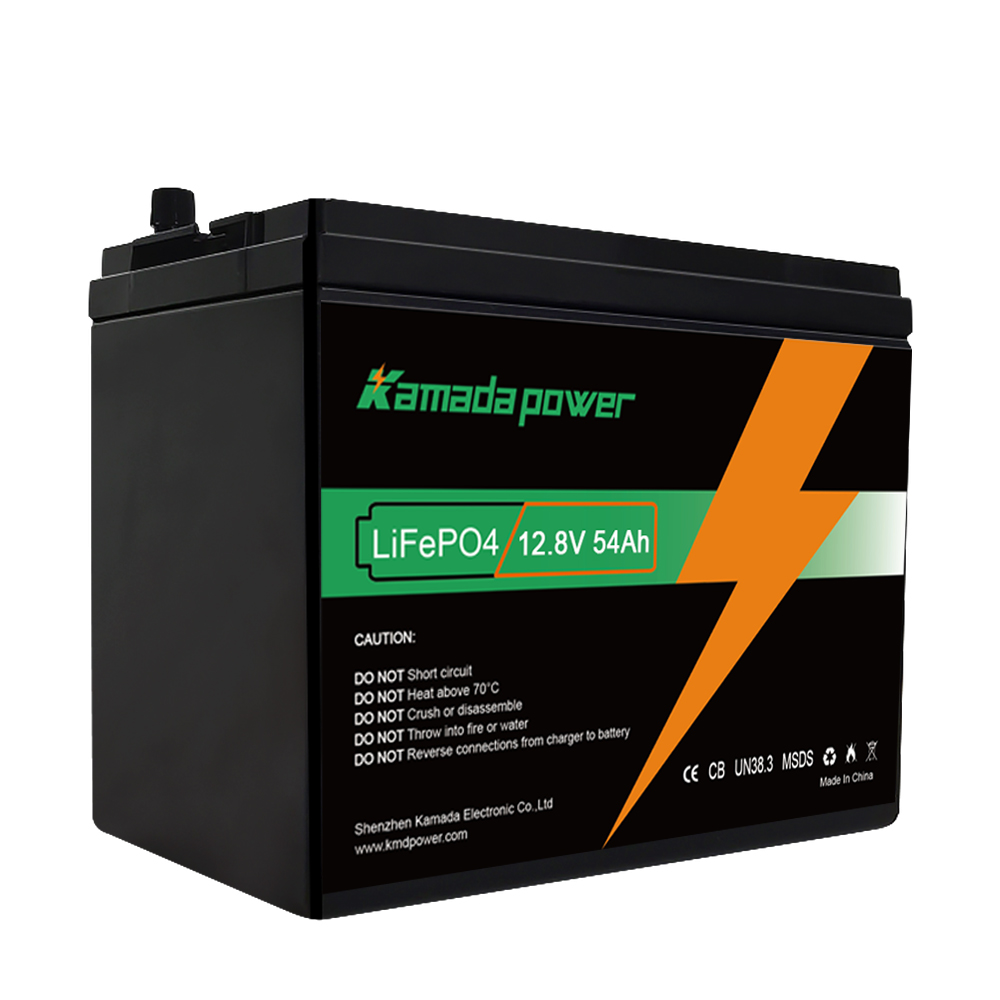
بطارية كامادا باور 12 فولت 50 أمبير/ساعة لايف بو 4
لماذا تتعطل بطاريات رياضات الطاقة
تعتبر رياضة القوى أصعب على البطاريات من السيارات من عدة نواحٍ محددة:
- الاهتزازات والصدمات: الاصطدامات على الطرق الوعرة، وانثناء الهيكل، وتقطيع الماء، وزوايا التركيب القاسية
- فترات تخزين طويلة: أسابيع أو أشهر من الجلوس أمر طبيعي
- أنظمة الشحن الأصغر حجماً: خرج الجزء الثابت المحدود؛ يمكن أن يتأرجح سلوك الجهد مع عدد الدورات في الدقيقة والحمل
- زحف الإكسسوارات: الروافع، وقضبان الإضاءة، والمقابض المسخّنة، وأجهزة الصوت، وأجهزة تعقب نظام تحديد المواقع العالمي (GPS)... كلها تضيف حملاً إضافياً (وأحياناً إيقاف تشغيل المحرك)
تبدو سلسلة الفشل الأكثر شيوعًا على النحو التالي: التركيب/الأجزاء الطرفية المفكوكة ← مقاومة أعلى ← بدء تشغيل ضعيف ← تفريغ أعمق ← إهمال التخزين ← تشخيص "البطارية الميتة".
إذا قمت بإصلاح النظام (التركيب + الكهرباء + التخزين)، عادةً ما تختفي "مشاكل البطارية".
الخطوة 1 - التركيب أولاً
قبل مناقشات الكيمياء، تأكد من الأشياء المملة: الحجم، والمحطات، والتثبيت. تتسبب أخطاء التركيب في مشاكل فورية أكثر من "AGM مقابل الليثيوم".
قائمة التحقق من التركيب (ما الذي يجب التأكد منه)
- الأبعاد: الطول × العرض × الارتفاع (بما في ذلك الأطراف)
- نوع المحطة الطرفية وموقعها: الجزء العلوي مقابل الجانب، وحجم/نوع البرغي، والقطبية
- التوجيه: أي جانب موجب عند التثبيت
- أسلوب التثبيت: حزام، كتيفة، صينية، دعامة رغوية
- إجهاد الكابل: ارتخاء كافٍ، ولا يوجد سحب على الأطراف، ولا انحناءات حادة
- مكدس الأجهزة الطرفية: الغسالات/الفواصل الصحيحة؛ لا يوجد تكدس "متذبذب"
نصيحة احترافية (تمنع انخفاض الجهد الكهربائي الغامض): مثبتات طرفية بعزم الدوران إلى مواصفات الشركة المصنعة للبطارية/المركبة وأعد الفحص بعد الجولات القليلة الأولى. يؤدي انخفاض عزم الدوران إلى المقاومة والحرارة؛ ويمكن أن يؤدي الإفراط في عزم الدوران إلى تكسير الأعمدة أو تجريد الحشوات. إذا كان الاهتزاز عنيفًا، فاستخدم ما هو مناسب قفل الأجهزة (كما هو محدد من قبل الشركة المصنعة للمعدات الأصلية)، وتأكد من أن الكابلات لا يمكن أن تعمل كقضيب نقب على العمود.
الطاولة: قائمة التحقق من التركيب والتركيب
| البند | ما الذي يجب التحقق منه | ما أهمية ذلك | خطأ شائع |
|---|
| الأبعاد | طول × عرض × ارتفاع × ارتفاع + خلوص | يمنع تداخل الغطاء/المقعد | حجم "قريب بما فيه الكفاية" |
| المحطات الطرفية | النوع + حجم البرغي + كومة الأجهزة | يضمن اتصالاً متيناً | كومة البراغي/الغسالة الخاطئة |
| القطبية/التوجيه | الموضع + و- | تجنب تمدد/انعكاس الكابل | "نفس الحجم، تصميم مختلف" |
| تعليق | إحكام الحزام/الحمالة + دعم مضاد للحركة | الاهتزاز يقتل البطاريات | حزام فضفاض، ارتداد البطارية |
| تخفيف الضغط على الكابل | تباطؤ + توجيه + حماية من الاحتكاك | يمنع تشقق الأعمدة المتشققة | سحب الكابل الضيق على الطرفية |
تحظى بطاريات AGM بشعبية كبيرة في مجال رياضات القوى لسبب وجيه: فهي محكمة الغلق، ومقاومة للانسكابات، وعادةً ما تكون أكثر تحملاً للاهتزازات القاسية من البطاريات التقليدية المغمورة بالمياه.
الخطوة 2 - حدّد وظيفة البطارية: بدء التشغيل فقط مقابل الاستخدام المختلط مقابل الاستخدام المختلط مقابل الاستخدام الثقيل للملحقات
معظم الناس يشترون بطارية "لبدء التشغيل"، ثم يستخدمون الماكينة وكأنها محطة طاقة صغيرة متنقلة.
بدء التشغيل فقط (ماكينات مخزون)
أنت تهتم بـ
- طاقة البدء (غالبًا ما تتم مناقشتها باسم CCA/ MCA)
- مقاومة داخلية منخفضة
- أداء بارد (إذا كان ذلك مناسبًا)
استخدام مختلط (رافعة، أضواء، مقابض ساخنة، صوت)
أنت تهتم بـ
- ترهل الجهد تحت الحمل (عمليات سحب الونش قاسية)
- السعة الاحتياطية / الطاقة القابلة للاستخدام
- التعافي بين الدفعات المتتالية (نظام الشحن مهم أكثر هنا)
الأحمال الثقيلة/المحركات غير المتصلة بالمحرك
إذا كنت تقوم بتشغيل الملحقات بانتظام مع إيقاف تشغيل المحرك، فإن "عقلية البدء" البحتة ستظل تفشل في ذلك. قد تحتاج إلى:
- قدرة احتياطية أعلى,
- استراتيجية شحن أفضل
- أو حتى نهج تصميم البطارية المزدوجة/النظام المزدوج.
تصنيف 60 ثانية:
- هل تقوم بتشغيل الملحقات مع إيقاف تشغيل المحرك؟
- هل تركب في الأجواء الباردة بانتظام؟
- هل تظل الماكينة غير مستخدمة لأسابيع في كل مرة؟
هذه الإجابات الثلاث تحدد 80% من نتائج "أفضل بطارية".
الخطوة 3 - اختر نوع البطارية: بطاريات AGM مقابل المغمورة مقابل الهلام مقابل LiFePO4
AGM (حصيرة زجاجية ماصة)
تميل شركة AGM إلى الفوز في رياضة القوى لأنها:
- مقاوم للانسكاب
- أكثر مقاومة للاهتزازات من المغمورة بالمياه
- متوافق على نطاق واسع مع شحن المخزون وأجهزة الصيانة المشتركة
- يمكن التنبؤ به بشكل عام في البدايات الباردة
أكبر عدو لـ AGM هو نقص الشحن المزمن:: الجولات القصيرة، والكثير من الملحقات، وإيقافها فارغة جزئياً. هذه هي الطريقة التي تتسلل بها الكبريتات وتسرق أداء التحريك بهدوء.
حمض الرصاص المغمور
يمكن للبطاريات المغمورة أن تعمل، لكنها عادةً ما تكون أكثر عرضة للتأثر:
- ضرر الاهتزاز,
- الكبريتات من التخزين الجزئي لحالة الشحن,
- والإهمال في غير موسمها.
إذا كان استخدامك يتضمن تخزينًا متكررًا أو زوايا تركيب خشنة، فإن غمرها بالمياه عادةً ما يكون اقتصادًا زائفًا.
الجل: متخصص
يمكن أن تكون البطاريات الهلامية حساسة لملفات الشحن. إنها ليست "سيئة"، لكنها أقل شيوعًا وأكثر صعوبة إذا لم يكن نظام الشحن متوافقًا (خاصة إذا كان التحكم في الجهد غير متقن). إذا قمت بتشغيل هلام، تعامل مع ملف تعريف الشحن على أنه غير قابل للتفاوض.
LiFePO4 (الليثيوم)
يمكن أن يكون LiFePO4 رائعاً في رياضة القوى:
- وفورات كبيرة في الوزن
- قوة تدوير قوية (عندما تكون الحزمة + BMS مصممة لتيار بدء التشغيل العالي)
- تفريغ ذاتي منخفض
- في كثير من الأحيان جهد كهربائي مستقر تحت الحمل (حسب تصميم الحزمة وحدود نظام إدارة المباني)
لكنها ليست ترقية سحرية. تشمل المزالق الشائعة ما يلي:
- حماية الشحن في درجات الحرارة المنخفضة (سلوك BMS مهم)
- توافق الجهد الكهربائي للشحن (تتقلب بعض الأنظمة على نطاق واسع)
- قطع خدمات إدارة المباني التي تبدو وكأنها "إخفاقات عشوائية" إذا كنت لا تعرف المحفزات
- الضعف الميكانيكي (لا يزال بناء العبوة + التركيب مهمًا)
يجب فهم محفزات "الإغلاق المفاجئ" الشائعة لنظام إدارة المباني:
- الحماية من الشحن في درجات الحرارة المنخفضة (يمنع الشحن حتى يسخن بدرجة كافية)
- التيار الزائد أثناء بدء التشغيل أو اندفاعات الرافعة (بلوغ حد نظام إدارة الأداء)
- قطع الجهد المنخفض بعد استنزاف الملحقات (يحمي الخلايا)
- حماية درجة الحرارة (إيقاف تشغيل الحزمة الساخنة)
- سلوك الميزان/البرامج الثابتة (يختلف حسب العلامة التجارية)
الجدول: AGM مقابل LiFePO4 لرياضات القوى
| الفئة | اجتماع الجمعية العمومية | LiFePO4 |
|---|
| البدايات الباردة | موثوقة بشكل عام | يمكن أن يكون ممتازاً، ولكنه قد يحتاج إلى حمل "إيقاظ" قصير عندما يكون الجو بارداً جداً |
| توافق الشحن | واسع | يجب التأكد من سلوك النظام + استقرار الجهد |
| الاهتزاز | جيد | يعتمد على بناء العبوة + التركيب |
| التخزين | يحتاج إلى صيانة دورية | تفريغ ذاتي منخفض، لكن الأحمال المتصلة لا تزال تستنزفها |
| الوزن | ثقيل | أخف بكثير |
| وضع الفشل | الكبريتات/الشيخوخة/التقادم/التفريغ الناقص | عمليات قطع نظام إدارة المباني، وقيود درجات الحرارة المنخفضة، وعدم تطابق حدود الشحن/التيار |
ميزات الليثيوم الممتازة: بلوتوث + تشغيل الطوارئ
بعض بطاريات ليثيوم باور سبورتس إضافة ميزات ستراها في كل مكان في تسويق المنافسين. يمكن أن تكون هذه مفيدة حقًا-إذا كنت تعرف ما يفعلونه وما لا يفعلونه.
مراقبة البلوتوث: عندما تكون مفيدة بالفعل
يمكن أن تساعدك بيانات البلوتوث في اكتشاف المشاكل مبكراً:
- انخفاض الجهد أثناء بدء التشغيل (أطراف مفكوكة أو بطارية ضعيفة)
- سحب تيار غير عادي (استنزاف طفيلي)
- أحداث درجة الحرارة (السلوك البارد، الحرارة الزائدة)
- رموز الخطأ (حسب العلامة التجارية)
الفخاخ الشائعة:
- لا تكون تقديرات SOC دقيقة دائمًا في ظل الأحمال الديناميكية
- يمكن أن يتلاشى دعم التطبيق بمرور الوقت
- تضيف بعض الأنظمة الصرف الاحتياطي إذا لم يناموا بكفاءة
بدء التشغيل في حالات الطوارئ/مساعدة الانطلاق السريع: ما الذي يعنيه ذلك حقاً
تعني "بدء التشغيل الطارئ" عادةً أن الحزمة يمكن أن تتجاوز مؤقتًا قطع الحماية أو إطلاق وضع الاحتياطي/التشغيل الطارئ. يمكن أن ينقذ يومك بعد استنزاف الملحقات أو بدء التشغيل في حالة البرودة.
ما هي لن الإصلاح: سوء سلوك المنظم/المصحح أو سوء سلوك المنظم/المصحح أو الأطراف المفكوكة أو التركيب الخاطئ أو الاستنزاف الطفيلي المزمن.
الجدول: بطاقة أداء ميزات الليثيوم
| الميزة | ما الذي يجب التحقق منه | ما أهمية ذلك |
|---|
| تسجيل البلوتوث | نقاط البيانات + التصدير | يساعد في تشخيص المشكلات المتقطعة |
| بدء التشغيل في حالات الطوارئ | تصنيف الاندفاع + سلوك إعادة الضبط | استرداد رأس الممر |
| حماية الشحن في درجات الحرارة المنخفضة | العتبة + السلوك + المؤشر | يمنع تلف الشحنة الباردة |
| مانع التسرب/مقاومة الماء | مطالبة الملكية الفكرية + تفاصيل التصميم الحقيقي | ضرورية لاستخدام الدراجات المائية/الزلاجات النفاثة |
| توجيه الاهتزازات | توصيات التركيب | الموثوقية في العالم الحقيقي |
| شروط الضمان | الإثباتات المطلوبة + الاستثناءات | يقلل من النزاعات بالنسبة للتجار/الأساطيل |
التحقق من واقع الطقس البارد
يقلل البرد من أداء البطارية بشكل أساسي عن طريق زيادة المقاومة الداخلية وإبطاء التفاعلات.
اجتماع الجمعية العمومية في البرد
وعادةً ما تكون عملية التجميع الهيدروليكي المغناطيسي الخلوي الخلوي واضحة ومباشرة: اختر طاقة بدء تشغيل كافية، وحافظ على التوصيلات محكمة، وتجنب التخزين المفرغ من الشحنات بشكل كبير.
LiFePO4 في البرد: القاعدة التي لا يمكنك تجاهلها
إليك الفرق المهم: يمكن تفريغ شحنة LiFeFePO4 غالبًا تحت درجة التجمد، ولكن الشحن تحت درجة التجمد هو المكان الذي تظهر فيه مخاطر التلف. يحذر العديد من الموردين من أن الشحن عند أو أقل من 0 درجة مئوية / 32 درجة فهرنهايت يمكن أن يزيد من خطر الإصابة بـ طلاء الليثيوم وفقدان دائم للقدرة - خاصة عند تيارات الشحن الأعلى. وهذا هو السبب في أن العبوات عالية الجودة تستخدم حماية الشحن في درجات الحرارة المنخفضة.
ملاحظة حدودية مهمة: تعتمد الحدود الآمنة الفعلية على مواصفات الخلية، وتيار الشحن، واستراتيجية نظام إدارة المباني. بعض الأنظمة أكثر تحفظاً من غيرها.
الخلاصة العملية: إذا كنت تركب في ظروف شتوية حقيقية، فأنت بحاجة إلى
- حزمة/مجموعة/مجموعة أنظمة إدارة المحتوى التي يمنع الشحن عند البرودة الشديدة (ويخبرك أنه يفعل ذلك),
- خطة واقعية لبدء التشغيل على البارد (بعض العبوات "تستيقظ" بعد فترة تحميل قصيرة),
- ولا افتراض أنها "ستشحن مثل حمض الرصاص".
عامل كسر الاتفاق الصامت: توافق نظام الشحن
يمكن أن يتفاوت سلوك نظام شحن البطارية في نظام شحن السيارات الكهربائية بشكل كبير حسب عدد الدورات في الدقيقة والحمل الكهربائي. قبل إلقاء اللوم على البطارية، تحقق مما تفعله الماكينة.
اختبار التوافق لمدة 10 دقائق (فحص فحص بسيط للتوافق)
الأدوات: مقياس متعدد أساسي الهدف: تأكد من أن نظامك يصل إلى جهد شحن معقول ويبقى مستقرًا بشكل معقول.
- قياس جهد السكون قبل البدء (خط الأساس).
- قم بتشغيل المحرك؛ قم بقياس الجهد عند التباطؤ.
- ارفع عدد الدورات في الدقيقة إلى نطاق إبحار نموذجي (غالباً ما يتراوح بين 3000 و4000 دورة في الدقيقة تقريباً) وقم بالقياس مرة أخرى.
- قم بتشغيل الأحمال العادية (الأضواء، المقابض الساخنة) ولاحظ الثبات.
ملاحظة الدقة التي تهمك: تحقق دائمًا من دليل الخدمة لاختبار الشركة المصنعة لعدد الدورات في الدقيقة ونطاق الجهد المقبول. تنشر بعض الطرز مواصفات بعض الطرازات عند عدد دورات في الدقيقة أعلى ونطاق أضيق.
كيف تبدو "صحية" في كثير من الأحيان (قاعدة عامة، وليست مواصفات عامة): ستهبط العديد من أنظمة 12 فولت في مكان ما في نطاق عالي 13 فولت إلى متوسط 14 فولت في منتصف دورة في الدقيقة ثابتة. استخدم ذلك كـ الفحص الإشارة، ثم تحقق من صلاحيتها مقابل مواصفات الشركة المصنعة للمعدات الأصلية.
نصيحة قياس (تمنع الاستنتاجات الخاطئة): القياس عند أطراف البطارية أولاً. إذا كنت ترى "جهدًا طبيعيًا" عند المنظم ولكن ليس عند البطارية، فمن المحتمل أن تكون لديك مشكلة في الأسلاك/الأرض/الموصل (انخفاض الجهد) التي تبدو وكأنها مشكلة في البطارية.
علامات حمراء يجب التحقق منها قبل "الترقية إلى الليثيوم":
- الجهد الذي لا يرتفع كثيرًا مع عدد الدورات في الدقيقة (قد تكون تعمل في الغالب على البطارية)
- التقلبات الكبيرة التي ترتبط بالمطبات أو حركة التوجيه أو الحرارة (مشاكل في التوصيل/المُنظِّم)
- نقص الشحن المزمن مع الرحلات القصيرة + أحمال الملحقات (يقتل حمض الرصاص بسرعة)
فحص واقعي آخر خاص بالليثيوم: ملف تعريف الشحن والتعويم
عادة ما يتم شحن العديد من حزم LiFeFePO4 بجهد 12 فولت (4 خلايا متسلسلة) بأهداف سائبة/امتصاصية في نطاق منتصف 14 فولت-لكن تختلف الأرقام الصحيحة باختلاف الشركة المصنِّعة للبطارية وتصميم نظام إدارة البطارية.
أيضًا: يعمل LiFePO4 بشكل عام لا تستفيد من الاحتفاظ بها عند جهد عالٍ إلى أجل غير مسمى كما تفترض أنظمة حمض الرصاص غالبًا. إذا تم استخدام عوامة على الإطلاق، فإنها غالبًا ما تكون تعيين أقل أو استبدالها ب وضع التخزين-مرة أخرى، اتبع الإعدادات الموصى بها من صانع البطارية.
إذا كنت تعمل في متجر أو أسطول سيارات: هذا الاختبار الذي يستغرق 10 دقائق يمنع نمطاً مؤلماً - العملاء الذين يلومون "البطارية" على مشكلة في نظام الشحن.
الصرف الطفيلي وإهمال التخزين
إذا نفدت البطارية بعد أسبوع أو أسبوعين من جلوسها في مكانها، فغالباً ما يكون السبب في ذلك:
- الاستنزاف الطفيلي (أجهزة الإنذار، وأجهزة التتبع، والملحقات),
- أو التخزين دون صيانة مناسبة.
فحص السحب الطفيلي السريع (النهج الآمن)
النهج الأكثر أماناً هو مقياس مشبك التيار المستمر (لا تقطع الدائرة). إذا كان لديك مقياس متعدد قياسي فقط ولا تشعر بالراحة في قياس التيار المتسلسل، اطلب من متجر أن يقوم بذلك - فمصاهر العدادات المنفوخة والقصور العرضي أمر شائع.
لا تحفظ رقمًا "سحريًا" واحدًا "سحريًا" في الما - قم بإجراء العمليات الحسابية السريعة بدلاً من ذلك
غالبًا ما تكون بطاريات Powersports صغيرة. حتى السحب "المتواضع" يمكن أن يكون مشكلة كبيرة. استخدم هذا التقدير السريع:
- سعة البطارية (آه) × جزء قابل للاستخدام ÷ السحب الطفيلي (A) = ساعات للمتاعب
مثال: بطارية سعة 10 أمبير تقريبًا، ربما تريد "إنفاق" حوالي 30-501 تيرابايت في الساعة فقط قبل أن يصبح بدء التشغيل غير موثوق به.
- 10 أمبير × 0.4 × 0.4 = 4 أمبير ساعة قابلة للاستخدام
- 4 أمبير في الساعة ÷ 0.03 أمبير (30 مللي أمبير) ≈ 133 ساعة ≈ 5.5 أيام
- 4 أمبير ÷ 0.01 أمبير (10 مللي أمبير) ≈ 400 ساعة ≈ 16-17 يومًا
هذا هو السبب في أن السحب الذي يبدو غير مؤذٍ في السيارة يمكن أن يكون قاتلاً لرياضة القوى.
الفوارق الدقيقة في رياضة القوى: إن الأحمال التي لم تصرح بها - محولات USB الرخيصة، وأجهزة تعقب GPS، وأجهزة الإنذار، ومرحلات الرافعات - هي من المذنبين الشائعين.
واقع تخزين LiFePO4
عادةً ما يكون التفريغ الذاتي ل LiFePO4 منخفضًا، ولكن الأحمال المتصلة (حتى الصغيرة منها) يمكن أن تستنزف الجهاز المتوقف أسرع مما يتوقعه الناس. يوصي العديد من مصنعي الليثيوم فصل البطارية للتخزين إذا كانت السيارة مزودة بمفتاح إيقاف تشغيل السيارة.
الجدول: إجراءات التشغيل الموحدة للتخزين حسب السيناريو
| السيناريو | أفضل الممارسات | خطأ شائع |
|---|
| 2 أسبوعان | قم بتعبئة الوقود قبل الركن؛ تحقق من المحطات؛ فحص سريع للجهد الكهربائي | اركنها منخفضة وانسى الأمر |
| 2 شهران | افصل البطارية أو استخدام ملف تعريف المشرف الصحيح | مناقصة رخيصة غير متطابقة مع الكيمياء |
| خارج الموسم | خطة تخزين موثقة + فحوصات دورية | ترك الملحقات/المتتبعات متصلة |
| مخزون الأسطول | إجراءات التشغيل الموحدة + السجلات + فحوصات الجهد الدوري | "الشحن العشوائي" بدون سجلات |
اختيارات سريعة حسب نوع السيارة
- ATV/UTV: الونش/المصابيح المشتركة → التركيب + التركيب الاهتزازي + المسائل الاحتياطية
- دراجة نارية: الرحلات القصيرة + دورات التخزين → الاستنزاف الطفيلي واستراتيجية خارج الموسم مهمة للغاية
- دراجة ترابية: الاهتزاز ومتانة التركيب مهمان؛ فالوزن جذاب ولكن التركيب لا يرحم
- عربة ثلج: السلوك البارد هو كل شيء - لا تتجاهل قواعد الشحن في درجات الحرارة المنخفضة
- جت سكي/دراجة مائية/دراجة مائية: مانع التسرب/التآكل + أمان التركيب ضخم
قائمة التحقق من المشتري: اختر البطارية المناسبة
- تم التأكد من التركيب (الأبعاد، والأطراف، والتثبيت، وتخفيف الضغط عن الكابل)
- تم تحديد وظيفة البطارية (بدء التشغيل/المختلطة/الثقيلة الإكسسوارات)
- القيود المناخية (بارد/حار/رطب)
- يبدو سلوك نظام الشحن مستقرًا (فحص المقياس المتعدد + مواصفات دليل الخدمة)
- تقييم نمط التخزين + تقدير الاستنزاف الطفيلي بحسابات بسيطة
- اختر مدمج AGM أو LiFePO4 وفقاً لذلك-ومطابقة ملف تعريف الشاحن مع الكيمياء
الخاتمة
اختيار الأفضل بطارية باور سبورتس لا يتعلق باختيار الكيمياء "الأكثر حداثة". بل يتعلق الأمر بمطابقة التركيب, ملف تعريف الحمل الحقيقي, المناخ, سلوك الشحنو واقع التخزين. احصل على هذه الخمسة بشكل صحيح وستختفي عادةً "مشاكل البطارية" - لأن معظم الألم لم يكن بسبب البطارية نفسها. اتصل بنا لـ بطارية باور سبورتس مخصصة الحل.
الأسئلة الشائعة
ما هي أفضل بطارية لرياضة القوى لمعظم الدراجين AGM أم الليثيوم؟
لمعظم ماكينات المخزون والظروف المختلطة, المجمّدات الغازية AGM هي الخيار الأكثر أماناً من جميع النواحي. يعتبر LiFePO4 رائعًا من حيث الوزن والتحريك القوي عندما يكون نظام الشحن مستقرًا ويتم التعامل مع الشحن في الطقس البارد بشكل صحيح.
ما الذي يجب مراعاته عند الاختيار بين حمض الرصاص و LiFePO4؟
الملاءمة، والمناخ، واستقرار نظام الشحن، وعادات التخزين، وما إذا كنت تقوم بتشغيل ملحقات إيقاف تشغيل المحرك. تأكد أيضاً من أن بطارية الليثيوم تصنيف تيار نظام إدارة المباني وسلوك الشحن في درجات الحرارة المنخفضة
هل تستحق بطاريات الليثيوم للرياضات القوية التكلفة الإضافية؟
يمكن أن تكون كذلك - خاصة إذا كان الوزن مهمًا أو إذا كنت تريد تدويرًا قويًا مع تفريغ ذاتي منخفض. لكنها أقل تسامحاً مع مشاكل نظام الشحن وقيود الشحن في درجات الحرارة المنخفضة، ويمكن أن تبدو عمليات قطع نظام إدارة المحرك وكأنها "أعطال عشوائية" إذا كنت لا تعرف المشغلات.
هل أحتاج إلى مراقبة البلوتوث على بطارية ليثيوم لرياضة القوى؟
ليس مطلوبًا، ولكنه مفيد للأساطيل وتتبع التخزين الموسمي وتشخيص حالات عدم التشغيل المتقطعة - طالما أنك تفهم طول عمر التطبيق وأي استنزاف في وضع الاستعداد.
ماذا يعني بدء التشغيل الطارئ وهل هو آمن؟
عادةً ما يكون وضع التجاوز/الاحتياطي المتحكم به للتعافي من الانقطاع. يمكن أن يساعدك على التحرك، لكنه لن يصلح المشاكل الكامنة مثل عدم استقرار الشحن، أو الاستنزاف الطفيلي، أو الأطراف المفكوكة.
لماذا تنطفئ بطاريتي بعد جلوسها لمدة تتراوح بين أسبوع إلى أسبوعين؟
الأسباب الشائعة: الاستنزاف الطفيلي من الملحقات/المتعقبات، أو التخزين المفرغ جزئياً، أو التوصيلات الضعيفة التي تزيد من المقاومة وتزيد من عمق التفريغ. مع البطاريات الصغيرة لرياضات القوى، حتى السحب المتواضع من مفتاح التشغيل يمكن أن يستنزف سعة التشغيل القابلة للاستخدام أسرع مما يتوقعه الناس.