بطارية السيارة الفولتية: الدليل الكامل. لقد واجهنا جميعًا ذلك "النقر-نقر-نقر-نقر" المثبط للهمم في موقف السيارات البارد، ولكن من خبرتي مع الأساطيل الصناعية، نادرًا ما تموت البطارية دون سابق إنذار - فهي تهمس بجهدها الكهربائي قبل أشهر. بينما يسميه معظمهم بطارية 12 فولت، فإن قراءة 12.0 فولت بالضبط تعني في الواقع أنها شبه فارغة، حيث يجب أن تكون الوحدة السليمة والمشحونة بالكامل عند 12.6 فولت. لمساعدتك على تجنب الوقوع في مأزق، يشرح لك هذا الدليل مخطط الجهد الكهربائي النهائي والخلط بين "الراحة مقابل التشغيل" حتى تتمكن من تشخيص حالة بطاريتك قبل أن تتعطل.
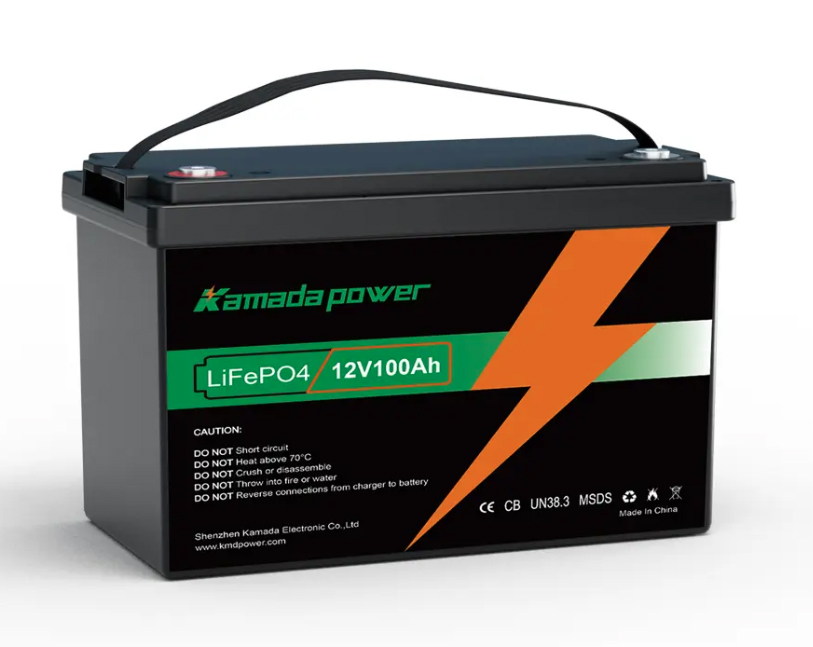
بطارية كامادا باور 12 فولت 100 أمبير/ساعة لايف بو 4
مخطط جهد بطارية السيارة (حالة بطارية 12 فولت في وضع الراحة)
إذا كنت تريد أن تعرف مقدار "الوقود" المتبقي في "خزان" حمض الرصاص في بطاريتك، فعليك النظر إلى جهد السكون. هذا هو الضغط الكهربائي الذي تحتفظ به البطارية عندما لا تقوم بأي عمل.
جدول حالة الشحن (SoC) لبطاريات السيارات بجهد 12 فولت
| قراءة الجهد | حالة الشحن (SoC) | حالة البطارية |
|---|
| 12.6 فولت أو أعلى | 100% | بصحة جيدة / مشحون بالكامل |
| 12.4V | 75% | جيد/تشغيلية |
| 12.2V | 50% | ضعيف / يحتاج للشحن |
| 12.0V | 25% | في خطر / ضرر محتمل |
| 11.9 فولت أو أقل | 0% | خرج من الخدمة / متوفى |
ما هو جهد الإراحة وكيفية قياسه
للحصول على قراءة "استراحة" دقيقة، يجب أن تبقى البطارية في وضع الخمول (إيقاف تشغيل المحرك) لمدة ساعة واحدة على الأقل، ومن الأفضل أن تكون طوال الليل.
نصيحة حاسمة: مصيدة "الشحن السطحي". هل سبق لك أن قمت بقياس بطارية مباشرة بعد قيادة طويلة ورأيت 13.0 فولت؟ لا تتحمس كثيراً. هذه "شحنة سطحية". إنها شحنة كهربائية متبقية على سطح ألواح الرصاص التي توفر إحساسًا زائفًا بالأمان. لإزالتها من أجل الحصول على قراءة دقيقة، قم بتشغيل المصابيح الأمامية ذات الإضاءة العالية لمدة 60 ثانية تقريباً، ثم أطفئها، وانتظر دقيقتين، ثم ثم التدبير.
جهد شحن بطارية السيارة (تشغيل المحرك / خرج المولد)
بمجرد أن تدير المفتاح ويستقر المحرك في وضع التباطؤ، تتغير اللعبة. فأنت لم تعد تقيس البطارية؛ بل تقيس المولد.
ماذا يجب أن يكون الجهد الكهربائي عند تشغيل السيارة؟
عندما يكون المحرك قيد التشغيل، يعمل المولد وقتاً إضافياً لإعادة شحن البطارية وتشغيل إلكترونيات السيارة (وحدة التحكم الإلكترونية والأضواء ونظام المعلومات والترفيه). النطاق المثالي هو 13.7 فولت إلى 14.7 فولت.
تشخيص مشاكل المولد باستخدام الجهد
إذا رأيت أرقامًا خارج هذه "المنطقة المعتدلة"، فستكون لديك مشكلة:
- أقل من 13.5 فولت: المولد الخاص بك يقوم بشحن أقل من اللازم. قد يكون ذلك بسبب تعطل المولد أو انزلاق الحزام السربنتيني، أو "استنزاف طفيلي" يطغى على النظام.
- فوق 15.0 فولت: من المحتمل أن يكون منظم الجهد قد تعطل. وهذا أمر خطير لأنه يمكن أن "يغلي" المنحل بالكهرباء في بطاريتك، مما يؤدي إلى انتفاخها أو حتى انفجارها، وربما يؤدي إلى احتراق إلكترونيات سيارتك الحساسة باهظة الثمن.
اختبار جهد بطارية السيارة بجهد 12 فولت خطوة بخطوة باستخدام مقياس متعدد
لست بحاجة إلى أن تكون مهندساً كهربائياً لفحص بطاريتك. يعد المقياس الرقمي المتعدد $20 الأساسي أحد أفضل الاستثمارات التي يمكن لمالك السيارة القيام بها.
4 خطوات بسيطة لاختبار جهد البطارية لديك
- السلامة أولاً: تأكد من إيقاف تشغيل المحرك وإطفاء الإشعال. ارتدِ قفازات إذا كانت البطارية تبدو متآكلة (ذلك المسحوق الأبيض حمضي!).
- اضبط جهاز القياس المتعدد: أدر القرص إلى تيار مستمر فولت. إذا لم يكن جهاز القياس الخاص بك لا يعمل تلقائيًا، فاضبطه على مقياس 20 فولت.
- توصيل الخيوط المس أحمر (موجب) إلى الطرف الموجب (+) و أسود (سلبي) إلى الطرف السالب (-).
- اقرأ وفسر: انظر إلى الشاشة. إذا كانت القراءة 12.6 فولت، فأنت في وضع جيد. أما إذا كانت 12.2 فولت، فهذا يعني أن بطاريتك ضعيفة وتحتاج إلى شحن عميق.
الحد الأدنى للجهد اللازم لبدء تشغيل بطارية السيارة (شرح جهد التحريك)
هذا هو "اختبار الإجهاد". قد تبدو البطارية رائعة في حالة السكون (12.6 فولت)، ولكن في اللحظة التي يطلب فيها محرك بدء التشغيل أكثر من 400 أمبير من التيار، ستنهار البطارية الضعيفة.
فهم انخفاض الجهد "التحريك" في التدوير
أثناء تدوير المحرك، من الطبيعي أن ينخفض الجهد الكهربائي. ومع ذلك، هناك حد أقصى.
- قاعدة الإبهام: إذا انخفض الجهد أقل من 9.6 فولت - 10 فولت أثناء التدوير، من المحتمل أن تكون البطارية مكبريتة أو بها "خلية ميتة".
هذا هو السبب في أن سيارتك تبدو وكأنها تكافح ("Rrrr... rrr... rrr...") في الصباح البارد. لقد انخفض الجهد الكهربي بشكل لا يسمح بتوفير عزم الدوران اللازم لمحرك التشغيل. إذا كنت ترى 12.6 فولت في حالة السكون ولكن 8.5 فولت أثناء بدء التشغيل، فإن البطارية قنبلة موقوتة.
الجهد الكهربي لبطارية السيارة ذات حمض الرصاص AGM مقابل بطارية الرصاص الحمضية: ما تحتاج إلى معرفته
ليست كل البطاريات متساوية. إذا كنت تقود سيارة حديثة مزودة بتقنية إيقاف التشغيل أو طرازاً أوروبياً فاخراً، فمن المحتمل أن يكون لديك AGM (حصيرة زجاجية ماصة) البطارية.
جهد استراحة أعلى قليلاً لجهاز التجميع السنوي العام
بطاريات AGM أكثر كثافة وفعالية. غالبًا ما تكون البطارية المشحونة بالكامل من النوع AGM أعلى قليلاً من البطارية المغمورة بالمياه القياسية - عادةً ما تكون بين 12.8 فولت و13.0 فولت. إذا كانت قراءة صمام التكييف الهوائي الخلوي الخلوي 12.5 فولت، فهذا يعني أنه مفرغ من الشحن قليلاً.
علاوة على ذلك، إذا كنت قد غامرتم في عالم الليثيوم (LiFePO4) تعمل بطاريات بدء التشغيل (شائعة في سيارات البورش عالية الأداء أو سيارات السباق)، فهي تعمل على مستوى مختلف تمامًا، وغالبًا ما تبقى في 13.2V+ حتى تصبح شبه فارغة.
الخاتمة
فكّر في جهد البطارية على أنه نبض سيارتك؛ فقضاء خمس دقائق فقط شهرياً باستخدام مقياس متعدد يتيح لك اكتشاف تعطل البطارية أو المولد قبل فترة طويلة من تقطع السبل بك. بما أن القراءة الثابتة أقل من 12.2 فولت تشير إلى فشل كيميائي داخلي، يجب أن تهدف إلى الحفاظ على جهد البطارية أثناء الراحة أعلى من 12.4 فولت لضمان تشغيل موثوق به وصحة طويلة الأمد. لا تنتظر صباح يوم "عدم بدء التشغيل"
للتواصل مع كامادا باور فريق هندسة البطاريات لدينا لتصميم بطارية السيارة المخصصة حلول مصممة خصيصاً لك.
الأسئلة الشائعة
هل يمكن لبطارية سيارة 12 فولت أن تظهر 12 فولت ولكنها لا تزال تالفة؟
بصراحة، نعم. هذا هو الالتباس الأكثر شيوعاً الذي نراه. يمكن أن تحتوي البطارية على "جهد سطحي" (12.4 فولت) ولكن لا يوجد "أمبير تحريك بارد" (CCA). إنه مثل خرطوم الحديقة ذو الضغط العالي ولكن مع وجود التواء هائل في المنتصف - لا يمكن أن يمر أي حجم فعلي من الماء. فقط اختبار الحمل يمكن أن يؤكد ما إذا كانت الكيمياء الداخلية قادرة بالفعل على توفير الطاقة التي تعد بها.
عند أي جهد كهربائي تنفد بطارية السيارة بشكل دائم؟
إذا بقيت البطارية أقل من 10.5 فولت لفترة طويلة، فإنه عادةً ما يكون محمصًا. عند هذا المستوى، لا رجعة فيه بلورات كبريتات الرصاص تتشكل على الألواح (كبريتات)، والتي تعمل كعازل، مما يمنع البطارية من قبول الشحن مرة أخرى.
كيف يؤثر الطقس البارد على قراءات جهد بطارية السيارة؟
تعمل درجات الحرارة الباردة على إبطاء التفاعلات الكيميائية. توفر البطارية عند 32 درجة فهرنهايت (0 درجة مئوية) طاقة أقل بحوالي 20% مما توفره عند 80 درجة فهرنهايت. إذا كانت البطارية بالفعل عند 12.2 فولت (شحنة 50%)، فمن المحتمل أن تكون موجة البرد المفاجئة هي "القشة الأخيرة" التي تمنعها من تشغيل المحرك.