مع دخول البرازيل عام 2025 مع ارتفاع تعريفة الكهرباء وتزايد عدم استقرار الشبكة في المناطق الريفية واعتماد الطاقة الشمسية الموزعة الذي حقق رقمًا قياسيًا، يواجه عمال التركيب والموزعون المحترفون تحديًا جديدًا: مساعدة العملاء في اختيار سعة البطارية المنزلية/المتوسطة والصغيرة والمتوسطة المناسبة.
بالنسبة للمشترين بين الشركات - شركات التكامل، وشركات الهندسة والمشتريات والبناء، وموزعي الطاقة الشمسية، وتجار الجملة لحلول الطاقة - فإن تخزين السعة الخاطئة يعني:
- بطء معدل دوران بطيء
- ارتفاع تكلفة المستودع
- تطابق ضعيف مع سيناريوهات التركيب البرازيلي الحقيقي
- فقدان القدرة التنافسية في العطاءات
يوفر هذا الدليل إطار عمل متخصص، يركز على البرازيل، على المستوى المهني لاختيار القدرات على المستوى المهنيمقارنة بطارية 5 كيلوواط/ساعة, بطارية 10 كيلوواط/ساعةو بطارية 20 كيلوواط/ساعة حلول التخزين المنزلية والتجارية الصغيرة.
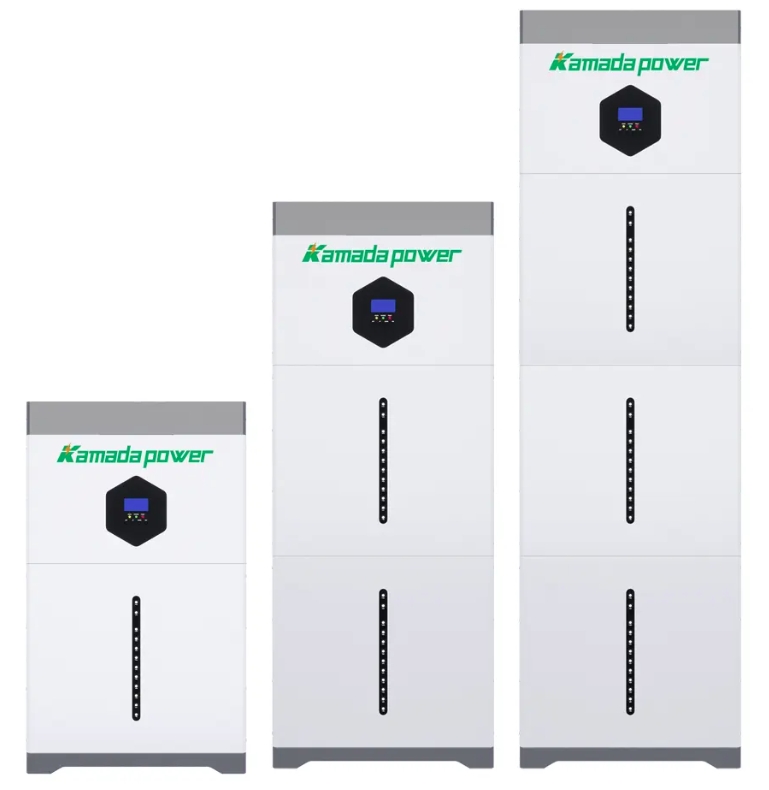
كامادا باور 10 كيلو وات في الساعة بطارية وعاكس الكل في واحد
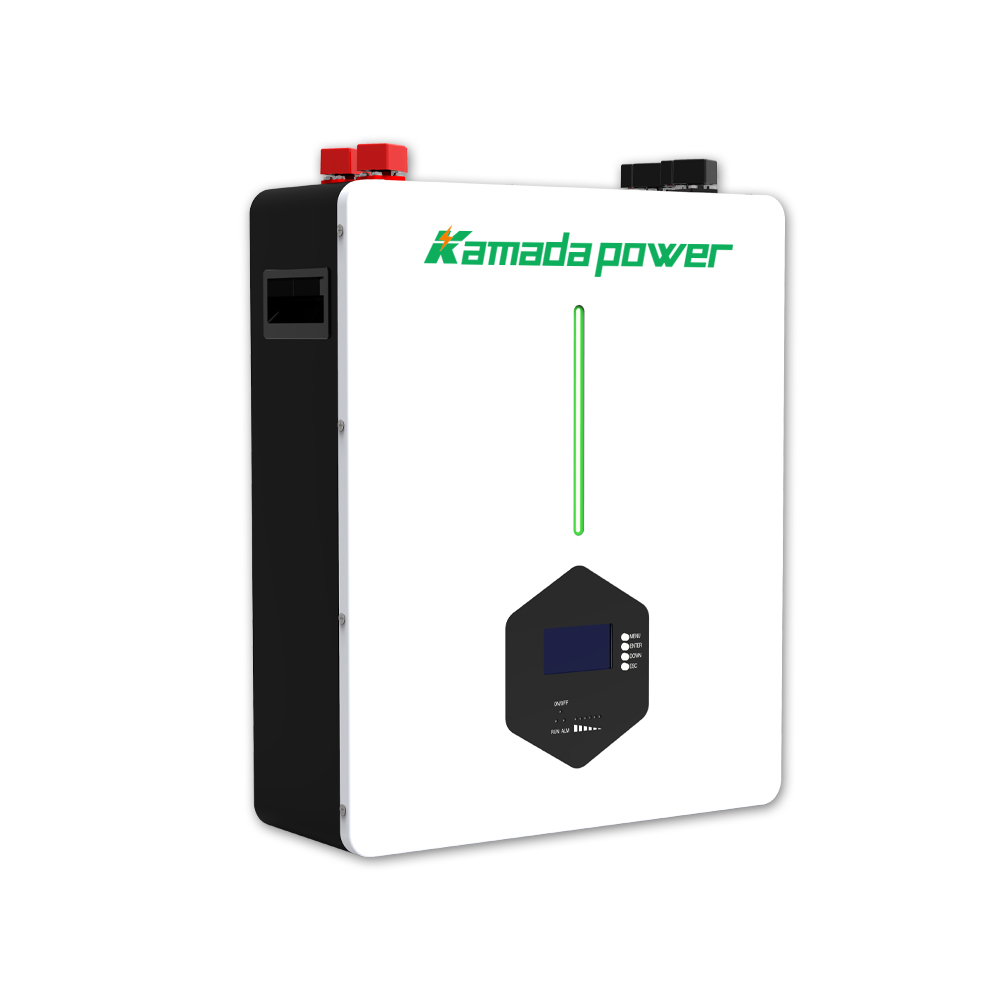
بطارية كامادا باور وول المنزلية بقدرة 10 كيلو وات في الساعة
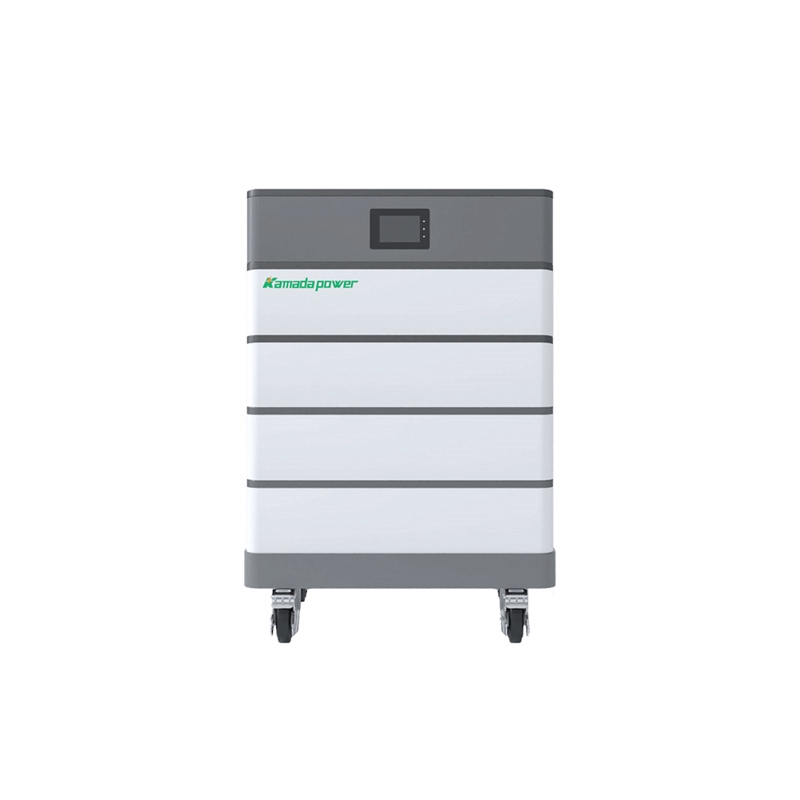
بطارية كامادا باور 51.2 فولت 400 أمبير الكل في واحد 20 كيلو وات 10 كيلو وات 25 كيلو وات
أهمية اختيار سعة البطارية في البرازيل
مشهد الشبكة والطاقة الشمسية في البرازيل
- أعلنت ANEEL عن تعديلات جديدة في التعريفة الجمركية في عام 2025وخاصةً في ساو باولو وميناس جيرايس وباهيا - مما يزيد من الاهتمام ببطاريات ذروة الحلاقة.
- زيادة معدل اعتماد طريفة برانكامما يجعل موازنة وقت الاستخدام مربحة.
- التوليد الموزع يتجاوز 28 جيجاواتمما يخلق سوقاً ناضجاً ولكن تنافسياً للتركيب.
- لا تزال مدة انقطاع التيار الكهربائي في المناطق الريفية مرتفعةخاصة في منطقة الشمال/الشمال الشرقي.
- اتجاه استبدال مولدات الديزل يتسارع بسبب عدم استقرار تكلفة الوقود.
وبسبب هذه العوامل، يتحول الموزعون من بطاريات الليثيوم العامة إلى منتجات أكثر تحديداً للسيناريو:
- 5 كيلوواط/ساعة للمنازل الصغيرة والتركيبات الحساسة للأسعار
- 10 كيلوواط ساعة باعتبارها السعة السائدة والأكثر مبيعاً
- 20 كيلوواط ساعة للمزارع والمحلات التجارية والمساكن ذات الأحمال العالية والانقطاعات الطويلة
من يجب أن يقرأ هذا الدليل
(1) موزعو الطاقة الشمسية
تحتاج إلى محافظ منتجات متطابقة جيدًا تتحرك بسرعة في المخزون.
(2) EPC وتركيبات الطاقة الشمسية
الحاجة إلى توصيات السعة المرتبطة بملفات الأحمال البرازيلية وأنماط الانقطاع.
(3) مدمجو الطاقة
تحتاج إلى حلول ESS موثوقة وقابلة للتطوير لأنظمة الطاقة الشمسية + البطاريات الهجينة.
(4) مقاولو كهربة الريف
تحتاج إلى حلول احتياطية طويلة الأمد لتحل محل الديزل.
(5) مقدمو الحلول التجارية الصغيرة
تحتاج إلى بطاريات بحجم مناسب لأنظمة نقاط البيع، والكاميرات، والثلاجات، والمضخات، والمعدات ذات 220 فولت.
مقارنة السعة: 5 كيلوواط/ساعة مقابل 10 كيلوواط/ساعة مقابل 20 كيلوواط/ساعة
فيما يلي جدول المقارنة الفنية الاحترافية مصممة خصيصاً للأحمال البرازيلية الشائعة.
الجدول 1: مقارنة بين السعة ووقت التشغيل للأحمال البرازيلية النموذجية (127/220 فولت مختلط)
| حجم البطارية | مثالي لـ | أمثلة على الأحمال | وقت التشغيل التقريبي خلال فترة الانقطاع* |
|---|
| 5 كيلوواط/ساعة | شقق صغيرة، أحمال أساسية | واي فاي وأضواء وجهاز توجيه وشواحن هاتف وثلاجة صغيرة | 3-6 ساعات |
| 10 كيلوواط/ساعة | المنازل القياسية، وتركيبات الطاقة الشمسية الهجينة | ثلاجة وفريزر وتلفزيون وإضاءة ومراوح ومكيف هواء صغير | 8-14 ساعة |
| 20 كيلو واط ساعة | المزارع والمحلات التجارية والمنازل الريفية | مضخة مياه، وثلاجة كبيرة، وثلاجة، ومجمد، ونظام أمان، ومكيف هواء منفصل، ونقاط بيع | 18-30 ساعة |
*يختلف وقت التشغيل باختلاف ملف الحمل وكفاءة العاكس وعمق التفريغ.
إطار الاختيار المستند إلى السيناريو
مساكن حضرية (ساو باولو / ريو/ بيلو هوريزونتي)
نقاط الألم النموذجية:
- أسعار الذروة في طريفة برانكا
- الرغبة في تقليل استهلاك الشبكة المسائية
- انقطاعات قصيرة المدة (1-4 ساعات)
موصى به 10 كيلوواط/ساعة → الأكثر مبيعًا للتركيبات الحضرية
لماذا؟
- يوفر حلاقة مسائية كاملة في الذروة المسائية
- يغطي حالات الانقطاعات القصيرة
- يناسب 90% من ملفات الأحمال الحضرية
5 كيلوواط/ساعة مقبولة للعملاء ذوي الميزانية المحدودة ولكن لها معدل استبدال مرتفع في عروض أسعار التركيب.
المنازل الريفية (ميناس جيرايس / باهيا / غوياس / أمازوناس)
نقاط الألم:
- انقطاع التيار الكهربائي من 6 إلى 12 ساعة
- موثوقية الشبكة المنخفضة
- مضخات المياه التي تتطلب تيار تشغيل عالي 220 فولت
السعة الموصى بها: 20 كيلوواط/ساعة
لماذا؟
- قدرة أعلى على زيادة التيار المفاجئ
- استقلالية أطول
- يدعم المضخة + المجمد + الإضاءة بشكل مستمر
10 كيلوواط/ساعة قابلة للتطبيق فقط مع إدارة الأحمال.
الأعمال التجارية الصغيرة (المطاعم والأسواق وصالونات الحلاقة والصيدليات)
نقاط الألم:
- انقطاع التيار الكهربائي يؤدي إلى فقدان المنتجات المجمدة
- لا يمكن أن تكون نقاط البيع والكاميرات غير متصلة بالإنترنت
- معظمهم يعتمدون على مولدات الديزل باهظة الثمن والمزعجة
موصى به: 20 كيلوواط/ساعة (ابتدائي) أو 10 كيلوواط/ساعة (متاجر متوسطة الحجم)
يدعم 20 كيلوواط/ساعة:
- المجمدات
- التبريد
- الأضواء
- نقاط البيع
- المراقبة
5 كيلوواط/ساعة غير كافية لمعظم الطلبات التجارية.
المزارع الصغيرة والأعمال التجارية الزراعية (المضخات + التبريد)
نقاط الألم:
- محركات المضخات عالية التحميل
- الانقطاعات الطويلة
- ارتفاع تكلفة وقود الديزل للري
موصى به: نظام هجين بقدرة 20 كيلوواط/ساعة
يدعم:
- 1-2 مضخات بقوة 1-2 حصان
- مخزن تبريد 220 فولت
- الإضاءة
- الكاميرات
حساب عائد الاستثمار في البرازيل
فيما يلي مثال على عائد الاستثمار بنمط السيناريو الحقيقي الذي يستخدمه الموزعون البرازيليون عادةً عند عرض عروضهم للعملاء.
افتراضات وضع عائد الاستثمار
- ذروة طريفة برانكا R$ 1.35 دولار/كيلووات ساعة
- خارج أوقات الذروة: R$ 0.48/كيلو وات/ساعة
- تكلفة دورة البطارية: حوالي 0.38 - 0.50 ر1 تيرابايت/كيلووات ساعة (كيمياء LFP)
- يشمل تعويض توليد الطاقة الشمسية
مثال على الحمل المنزلي: 10 كيلوواط/ساعة/اليوم خلال فترة الذروة
وفورات من ذروة الحلاقة في اليوم الواحد: 10 كيلوواط/ساعة × (1.35 - 0.48) = R$ 8.7/يوم
وفورات شهرية: R$ 261
وفورات سنوية: R$ 3,132
التكلفة النموذجية لـ 10 كيلوواط/ساعة من نظام ESS للموزع: R$ 17,000-R$ 22,000 السداد: ~من 5.5 إلى 6.5 سنوات تقريبًا
ما هي القدرات التي يجب على الموزعين البرازيليين تخزينها في عام 2025؟
الأكثر مبيعاً (معدل دوران مرتفع): 10 كيلوواط/ساعة
- تتطابق مع 60-70% من الأحمال السكنية البرازيلية
- يناسب معظم أطقم العاكسات الهجينة
- عائد استثمار ممتاز في طريفة برانكا
منتج عالي الهامش: 20 كيلوواط/ساعة
- تزايد الطلب في القطاع الريفي وقطاع الشركات الصغيرة والمتوسطة
- توسع سوق استبدال الديزل
- ربحية قوية للموزعين
منتج مبتدئ: 5 كيلوواط/ساعة
- خيار الميزانية
- للحمل الاحتياطي الأساسي فقط
- هامش ربح منخفض، ولكنه جيد لمسارات اكتساب العملاء
حلول ESS 100% الجاهزة للاستخدام المتكامل
- 5 كيلو واط ساعة / 10 كيلو واط ساعة / 20 كيلو واط ساعة
- بطاريات الحامل، والبطاريات المثبتة على الحائط، والأنظمة الهجينة المتكاملة
مصممة لواقع الشبكة البرازيلية
- التوافق 127 فولت / 220 فولت
- دعم الاندفاع العالي للمضخات والضواغط
- تصميم مضاد للتآكل للرطوبة الساحلية
ملائم للموزعين
- العلامة التجارية للمصنعين الأصليين
- كتيبات البدء السريع باللغة البرتغالية
- توريد مستقر للكميات الكبيرة
الدعم الفني لعمال التركيب
- المساعدة في التحجيم
- إرشادات التكليف عن بُعد
- مواد تدريب المثبتين
الخاتمة
في البرازيل 2025، يعد اختيار بطاريات 5 كيلوواط/ساعة أو 10 كيلوواط/ساعة أو 20 كيلوواط/ساعة أكثر من مجرد خيار تقني - فهو يؤثر على نجاح المناقصة ودوران المخزون والقيمة المقدمة للمركبين. تناسب الـ 5 كيلوواط/ساعة الأحمال الأساسية، والـ 10 كيلوواط/ساعة هي السعة الأكثر مبيعًا في البرازيل، والـ 20 كيلوواط/ساعة تناسب المزارع والمتاجر والمناطق التي تنقطع فيها الكهرباء لفترة طويلة. يمكن للموزعين وشركات الهندسة والمشتريات والبناء البرازيلية الوصول إلى بطاريات منزلية بقدرة 10 كيلو وات في الساعة، وأنظمة 5 كيلو وات في الساعة و20 كيلو وات في الساعة، ومحولات هجينة شاملة ومحولات هجينة وحلول مثبتة على رفوف محسنة لظروف الشبكة المحلية. اتصل بنا لبناء تشكيلة ESS جاهزة للبرازيل وتعزيز القدرة التنافسية في السوق.