Factory Battery Storage Quotation: What Load Data Should You Send First? If your factory is considering battery storage, a kWh-only price can easily lead to the wrong system. A 100kWh battery or 500kWh battery may look large enough on paper, but it may still fail to reduce demand charges, support backup loads, use surplus solar power, or fit your electrical site.
Factory battery storage should start with the power problem, not a random battery capacity. Send the data you already have, and our engineering team can make an initial review and suggest a practical kW/kWh direction.
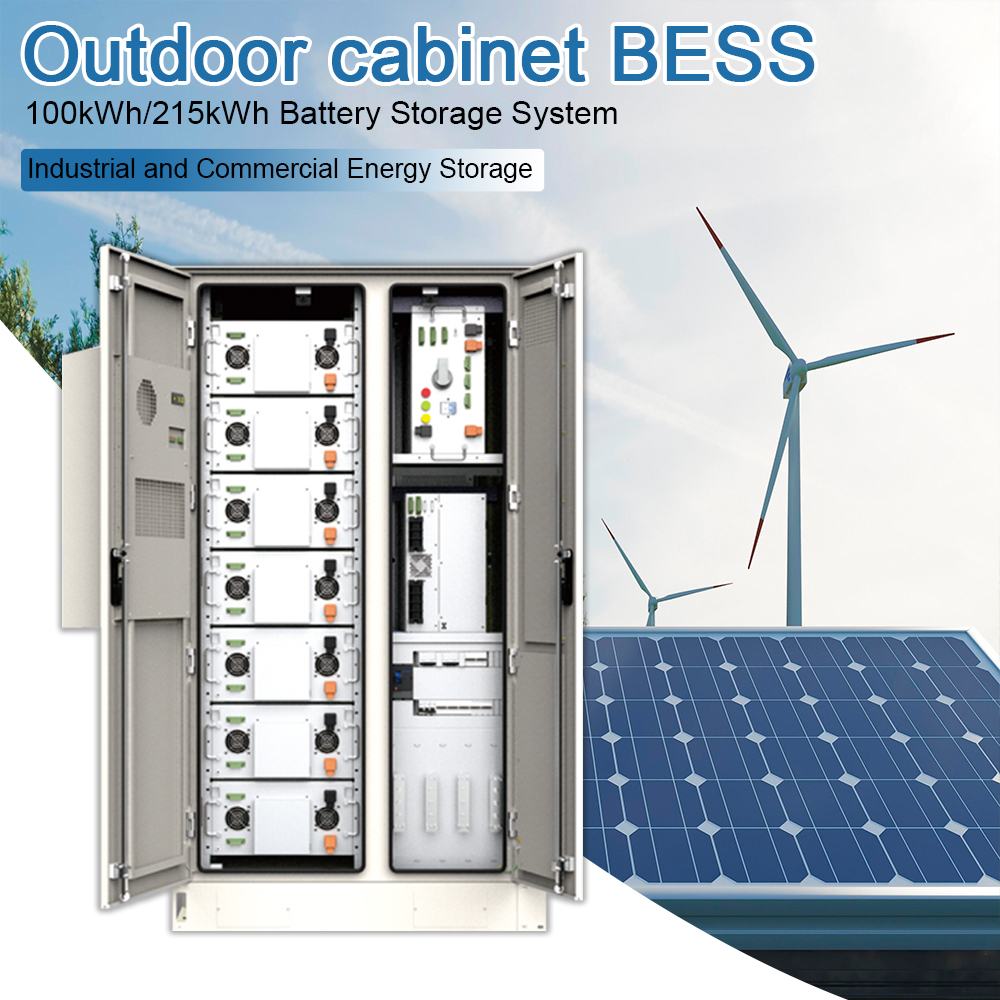
Kamada Power BESS 100kWh Battery
Why Factory Battery Storage Cannot Be Sized by kWh Alone
kW and kWh answer different questions
kWh tells how much energy the battery can store. kW tells how much power the system can charge or discharge at one time. If the system has enough kWh but not enough kW, it may not reduce a demand peak. If it has enough kW but not enough usable energy, it may discharge for a short time and miss the full production peak.
That is why two 500kWh quotations may not solve the same problem. One may be suitable for solar energy shifting. Another may be better for backup. A third may still be too weak for short high-power peaks.
| If your factory is asking this | Why kWh alone is not enough |
|---|
| “Can you quote 500kWh?” | PCS power, usable capacity, and application are still unclear. |
| “Can it reduce our demand charge?” | We need peak power, peak duration, and tariff rules. |
| “Can it provide backup?” | We need to know which loads must stay on and for how long. |
| “Can it work with our solar system?” | We need PV size, daytime load, and export limit. |
| “Can it support new equipment?” | We need transformer capacity and future load plan. |
Start With the Real Business Objective
Peak shaving, backup, solar, and grid support are different jobs
Most factory BESS projects start from a business problem: electricity bills are too high, demand peaks are painful, outages affect production, solar energy is wasted, or the transformer cannot support new loads.
Each problem leads to a different system direction. Peak shaving needs demand peak data. Backup needs critical load information. Solar storage needs PV generation and load data. Transformer support needs grid import limits and future equipment plans.
| If your factory is facing this situation | What may go wrong with a simple kWh quote | What you can send first |
|---|
| High demand charges on the electricity bill | The battery may not match peak power or peak duration. | Recent bills and peak demand data |
| Short spikes from compressors, pumps, or machines | Capacity may look large, but PCS power may be too small. | Load profile or main equipment list |
| Outages affect production, cold storage, or controls | The system may back up the wrong loads. | Critical load list and required runtime |
| Solar PV is exported or wasted during the day | The battery may not match surplus PV and evening load. | PV size, inverter size, and load data |
| Transformer is near its limit | Charging may create a new peak or overload risk. | Transformer rating, single-line diagram, photos |
A factory should not ask only, “How many kWh do we need?” A better question is, “What power problem should the battery solve?”
The Load Data That Matters Before Quotation
Monthly bills are useful, but interval data is better
Electricity bills are a good starting point. They can show monthly consumption, maximum demand, tariff periods, demand charges, energy charges, and sometimes power factor information.
But monthly bills do not show the full load shape. A bill may show an 800kW peak, but not whether it lasted 10 minutes or 3 hours. It does not show whether the peak happens every day, only in summer, during shift changes, or when several machines start together.
For a better quotation, the most useful file is usually a 15-minute or 30-minute load profile. If you do not have it, you can still send recent electricity bills, peak demand values, production schedule, PV size, and site photos for an early review.
| What you have now | Can you still ask for a review? | What we can do first |
|---|
| Only electricity bills | Yes | Check basic feasibility and demand charge potential |
| Bills + peak demand value | Yes | Estimate the power problem more clearly |
| Load profile available | Yes | Review peak timing, duration, and repeat pattern |
| PV data available | Yes | Check solar storage opportunity |
| Critical load list available | Yes | Review backup direction |
| Site photos available | Yes | Check space, access, and installation concerns |
How Your Load Profile Helps Us Recommend the Right BESS Direction
The shape of the peak decides the system
When you send a load profile, it helps us see which BESS direction may fit your factory. A short sharp peak is different from a long production plateau. Cold storage backup is different from demand charge reduction. A solar site is different from a factory adding EV chargers under a limited transformer.
If two suppliers quote the same kWh with different PCS power, usable energy, reserve, and scope, the lower price may not be the better solution.
A Simple Way to Think About Peak Shaving Size
Start with the target grid demand
For example, if a factory has an 800kW peak and wants to stay below 650kW, the battery may need to support around 150kW during the peak period. But the final recommendation still depends on peak duration, peak frequency, recharge time, backup reserve, tariff, and site limits.
| Customer question | Why it affects the quotation |
|---|
| What is our current peak demand? | It shows the size of the peak problem. |
| What target demand do we want? | It defines the reduction target. |
| How long does the peak last? | It affects usable energy needs. |
| How often does the peak occur? | It affects cycling and project value. |
| When can the battery recharge? | It affects transformer load and operation. |
This is why a reliable quotation needs load data instead of only a preferred kWh number.
Backup Sizing Requires a Different Method
Backup should be based on critical loads
Backup projects should usually start with the loads that must stay on, not the whole factory. Full-factory backup can make the system much larger and more expensive than necessary.
A better first step is to list critical loads: PLC controls, emergency lighting, safety systems, IT equipment, communication equipment, cold storage, selected pumps, or equipment needed for safe shutdown.
| If you need backup for this | What you should send first |
|---|
| Cold storage | Load power and required backup time |
| PLC or control systems | Control cabinet load and runtime requirement |
| Pumps or motors | Rated power and startup behavior if available |
| IT or communication equipment | Load list and desired runtime |
| Safe shutdown | Equipment that must remain powered during shutdown |
If the factory wants both peak shaving and backup, the quotation should show whether backup reserve will reduce the energy available for daily savings.
Site Conditions Can Change the Quotation
Electrical connection and installation scope matter
A factory BESS is not only a battery cabinet. Depending on the project, the scope may include cabinets or racks, PCS, EMS, monitoring, cooling, fire protection, communication, cabling, commissioning, and site integration.
Site conditions can change the price and solution. The transformer matters because the battery must recharge after discharge. If the transformer is already near its limit, charging may create a new peak or overload risk. Indoor and outdoor systems also have different space, access, ventilation, cable route, and safety requirements.
| What you can send | What it helps us check |
|---|
| Transformer rating or nameplate photo | Charging limit and grid capacity risk |
| Single-line diagram if available | Possible connection point |
| Electrical room photos | Access, space, and cable route |
| Outdoor installation photos | Cabinet location and environment |
| Existing PV or generator information | Coordination with current systems |
This is why two suppliers may quote different prices for the same kWh. One quote may include only battery hardware. Another may include PCS, EMS, monitoring, commissioning, fire protection, and engineering support. Compare scope, not only battery capacity.
Common Mistakes That Lead to Wrong Factory Battery Quotes
Most wrong quotes come from missing assumptions
The first mistake is asking for a price based only on battery capacity. “Please quote 500kWh” does not show whether the project needs high discharge power, long discharge duration, backup reserve, solar control, or transformer support.
The second mistake is using monthly kWh consumption as the main sizing input. Monthly consumption shows factory scale, but load shape shows the real battery problem.
The third mistake is ignoring the cost of a wrong system. PCS power that is too small may fail to reduce demand charges. Too little usable energy may not cover the production peak. A missing backup reserve may leave critical loads unprotected. A quotation with unclear scope may look cheap at first, then require extra EMS, commissioning, cabling, or site work later.
What a Supplier Can Do With Complete Data
Complete data turns a price guess into an engineering proposal
With better data, a supplier can move from a rough price to a practical BESS proposal. The proposal can recommend a preliminary kW/kWh range, explain the main assumptions, and identify whether the project is driven by peak shaving, backup, solar storage, transformer support, or mixed operation.
Complete data can also reveal risks early, such as limited space, transformer constraints, weak tariff savings, zero-export rules, backup reserve conflict, or unclear scope.
A useful BESS quotation should state the application goal, data used, recommended PCS direction, usable capacity range, backup boundary, operating logic, scope, exclusions, and remaining questions.
As a battery pack manufacturer and BESS solution supplier, we can support preliminary configuration review, battery system matching, and project quotation based on your factory load data.
Factory Battery Storage Quotation Checklist
Use staged data for staged quotation
You do not need every engineering document before the first discussion. Start with what you have.
| Your current situation | What you can send first | What we can help you check |
|---|
| You only want a rough budget | Country, factory type, bills, peak demand, site photos | Feasibility and rough kW/kWh direction |
| You are preparing a serious project | Load profile, tariff, PV data, critical loads, transformer info | Preliminary configuration and risk points |
| You need a final quotation | Electrical drawings, installation scope, grid requirements, safety requirements | Final scope, price, schedule, and documents |
A low-friction first step is simple: send your latest electricity bill and explain what problem you want to solve. If the project looks suitable, more data can be added later.
Example: Same Monthly kWh, Different Battery System
Load shape decides sizing
Three factories may all consume 300,000kWh per month, but they should not receive the same BESS quotation.
A plastics factory with short machine or compressor peaks may need enough PCS power to reduce demand peaks. A food processing factory with long afternoon production may need more usable energy for sustained discharge. A cold storage facility may care more about keeping selected loads running during outages.
| Customer situation | What may matter most |
|---|
| Short peaks from machines or compressors | Discharge power and peak timing |
| Long production load in the afternoon | Usable energy and recharge window |
| Cold storage or process control backup | Critical loads and backup time |
| Solar PV with daytime surplus | PV surplus and evening load |
| New EV chargers or equipment | Transformer limit and load schedule |
Monthly kWh shows the scale of the factory. It does not define the battery solution. The project goal and load shape matter more.
Before You Request a Quote
Send the power problem, not only a kWh number
If you want a realistic commercial battery storage quotation for a factory, do not start only with a preferred kWh number. Start with the power problem.
Tell us whether your main goal is to reduce demand charges, provide backup power, improve solar self-consumption, support transformer limits, add EV charging, or combine several goals. Then send the data you already have: electricity bills, load profile if available, tariff information, PV size, critical load list, transformer information, site photos, and any known installation limits.
If you do not have a load profile yet, you can still contact us. Monthly bills and peak demand data are enough for an early review, and the proposal can be refined later.
Conclusion
Factory battery storage should be quoted from load data, not a random kWh number. The key is to understand the power problem, load shape, backup requirement, site limits, PCS direction, usable capacity range, and project scope.
Contact Kamada Power. Send us your latest electricity bill first, even without all project data ready. If available, also send load profile, PV information, critical load list, transformer information, and site photos. Our engineering team can review your factory application, estimate a kW/kWh range, identify risks, and prepare a solution.
FAQ
Can you give a rough quotation if we only have electricity bills?
Yes. Electricity bills can support an early budget estimate, especially if they show peak demand and tariff information. For a more accurate proposal, a 15-minute or 30-minute load profile is recommended.
What if our factory does not have load monitoring data?
You can send recent bills, peak demand values, production schedule, PV size, main equipment list, and site photos. We can first check the likely project direction and tell you what data is needed next.
Should the battery back up the whole factory?
Usually not. Most factories start by defining critical loads. This can reduce system size and cost while still protecting important operations.
Why do suppliers quote different sizes for the same factory?
They may use different assumptions for PCS power, usable capacity, backup reserve, EMS, scope, fire protection, commissioning, and grid support. Compare the technical scope, not only kWh and price.
What should we send for a preliminary BESS proposal?
Send electricity bills, load profile if available, peak demand, tariff sheet, PV size, critical load list, transformer information, site photos, and your main project goal.