What Is Vehicle-to-Load (V2L)?
Unleashing the Power of Vehicle-to-Load (V2L). Vehicle-to-Load (V2L) is a bidirectional capability that enables an electric vehicle to supply AC power to external loads. By utilizing an onboard inverter, the system converts high-voltage DC from the traction battery into standard AC output, accessible via an integrated outlet or charge port adapter. A critical technical advantage is the delivery of pure sine wave power, ensuring grid-quality stability for sensitive electronics—such as medical equipment and IT hardware—which often cannot operate safely on the modified sine wave output of standard portable generators. V2L effectively expands the vehicle’s utility, allowing the battery to serve as a high-capacity, onsite energy resource.
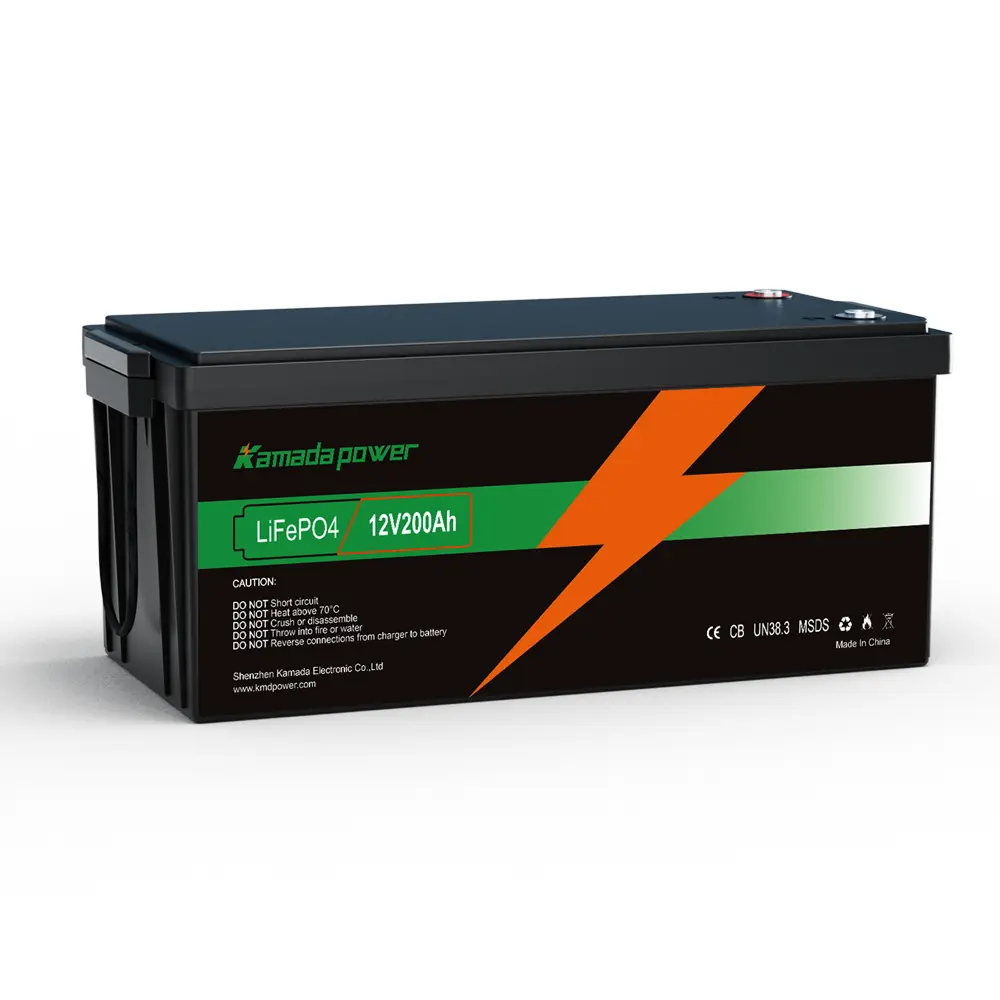
Kamada Power 12v 200Ah Lifpeo4 Battery
V2L vs. V2H vs. V2G: What’s the Difference?
These three terms get mixed together constantly, even by people in the energy industry. Here’s the clean breakdown.
| Feature | What It Does | Typical Use Case | Grid Interaction |
|---|
| V2L (Vehicle-to-Load) | Powers devices directly | Camping, worksites, short outages | None |
| V2H (Vehicle-to-Home) | Powers a home or subpanel | Whole-home or critical-load backup | Isolated (transfer switch) |
| V2G (Vehicle-to-Grid) | Exports power to the utility | Grid services, energy markets | Full grid sync |
The key distinction is complexity. V2L is simple. No grid synchronization. No interconnection agreements. Plug in and go.
V2H and V2G are more powerful, but they require transfer switches, certified bidirectional chargers, utility approvals, and—often—long timelines. For many buyers, V2L is the most accessible entry point into bidirectional energy.
The Top Benefits of V2L Technology
Emergency Power Backup (The “Survival Mode”)
When the grid goes down, V2L gives you immediate, silent power. No fuel runs. No pull cords. No carbon monoxide worries.
From our experience working with industrial clients and facility teams, V2L is increasingly used as a first-response power source—keeping routers, lighting, refrigerators, or lab instruments alive while larger backup systems spin up.
A typical EV battery (60–80 kWh) can run critical loads for days, not hours. That surprises a lot of people.
Outdoor & Camping Power (The “Glamping Mode”)
V2L has quietly replaced small generators in the outdoor world. Induction cooktops, coffee machines, lighting, projectors—no problem.
Unlike gas generators, EVs are:
- Silent
- Zero-emission at point of use
- Safe to run near people and tents
For European markets especially, this has become a major lifestyle selling point.
Mobile Worksite Efficiency (No Gas Generators)
Construction crews, telecom installers, and field engineers are using V2L to power tools, test gear, and temporary lighting.
The buyer-focused comparison is simple: V2L vs. portable generator
- No fuel logistics
- Lower noise
- Fewer maintenance headaches
- Instant start, every time
For light-duty mobile worksites, it’s often the cleaner solution.
Which Electric Cars Have V2L?
Not all EVs support V2L—and not all implementations are equal.
Hyundai / Kia / Genesis (E-GMP platform):
- Ioniq 5
- EV6
- EV9 These support both internal outlets and external adapters.
Ford & Tesla (The Trucks):
- F-150 Lightning (via Pro Power Onboard)
- Cybertruck (integrated outlets, high power capability)
BYD & MG (Adapter-based):
- BYD Atto 3
- MG4 Typically require a V2L adapter connected to the charge port.
Always verify regional specs, as V2L availability can vary by market and trim.
How to Use V2L: A Step-by-Step Guide
Step 1: Check Your Port Type
Some vehicles include a built-in AC outlet inside the cabin or cargo area. Others require an external V2L adapter.
Know which one you have—and where it’s rated. Internal sockets often have lower current limits than external adapters.
Step 2: Calculate Your Total Wattage (Power Budget)
V2L is powerful, but it’s not unlimited.
| Device | Typical Power |
|---|
| Laptop | 50–100 W |
| Wi-Fi router | 10–20 W |
| Refrigerator | 150–300 W |
| Power tools | 500–1,500 W |
| Space heater | 1,500 W |
Add everything up before plugging in. This avoids nuisance shutdowns and keeps the system stable.
Step 3: Set the Battery Discharge Limit
Most EVs let you reserve a minimum state-of-charge—say 20–30%. Use it.
V2L is only helpful if you can still drive when you’re done.
Important Safety Tips & Limitations
Understanding the Power Cap (15A / ~3.6 kW)
Most V2L systems are capped around 15 amps at 230V (Europe) or ~1.8–3.6 kW depending on region.
That’s plenty for essentials—but not for everything at once.
Why You Need 12 AWG Extension Cords
High current plus cheap cords equals heat. Always use heavy-gauge (12 AWG or equivalent) extension cords, especially for outdoor or continuous loads.
Does V2L Degrade Battery Life?
not meaningfully. V2L uses shallow discharge cycles at low C-rates. Compared to driving, the battery stress is minimal. Most OEMs explicitly support V2L use within warranty limits.
Conclusion
Vehicle-to-Load isn’t a novelty—it’s a proven way to turn an EV battery into a practical energy asset. From keeping critical loads alive during an outage to powering a remote worksite or replacing a small generator, V2L works when it’s designed around real loads and operating limits. The key question isn’t whether it’s useful, but how it fits your duty cycle and risk profile. If you’re looking at V2L as part of a wider energy or backup plan Contact us today.
FAQ
Can V2L power my house during a blackout?
It can power individual devices, but not a whole house safely without a transfer switch. That’s where V2H comes in.
Do I need a special adapter for V2L?
Some vehicles include built-in outlets. Others require a manufacturer-approved V2L adapter.
Can V2L run an air conditioner?
Small window units, sometimes. Central AC, generally no—startup surge is the limiting factor.
What if I drain the battery too far?
Most EVs allow you to set a minimum reserve, preventing full depletion and keeping you mobile.