12V vs 24V Bateria do motor de pesca: Qual é o melhor para o seu barco? Está a lutar contra um vento forte de frente com a sua hélice a rodar à velocidade máxima, mas o seu barco não se está a mover e o Spot-Lock continua a desativar-se - apesar de a sua bateria indicar 50%. Esta falha resulta normalmente do seu Sistema de fornecimento de energiae não por falta de capacidade. 12V e 24V não são apenas tamanhos de bateria; são arquitecturas distintas com limites físicos únicos. Neste guia, vamos além dos conselhos genéricos dos fóruns para determinar exatamente qual a configuração de tensão de que o seu casco necessita para manter o controlo em águas agitadas.
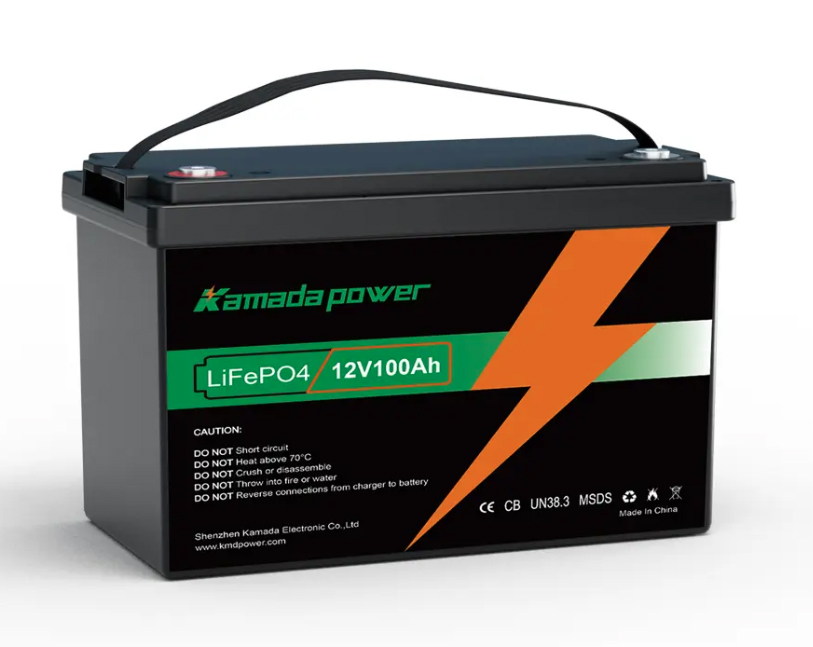
Bateria Kamada Power 12v 100Ah Lifepo4
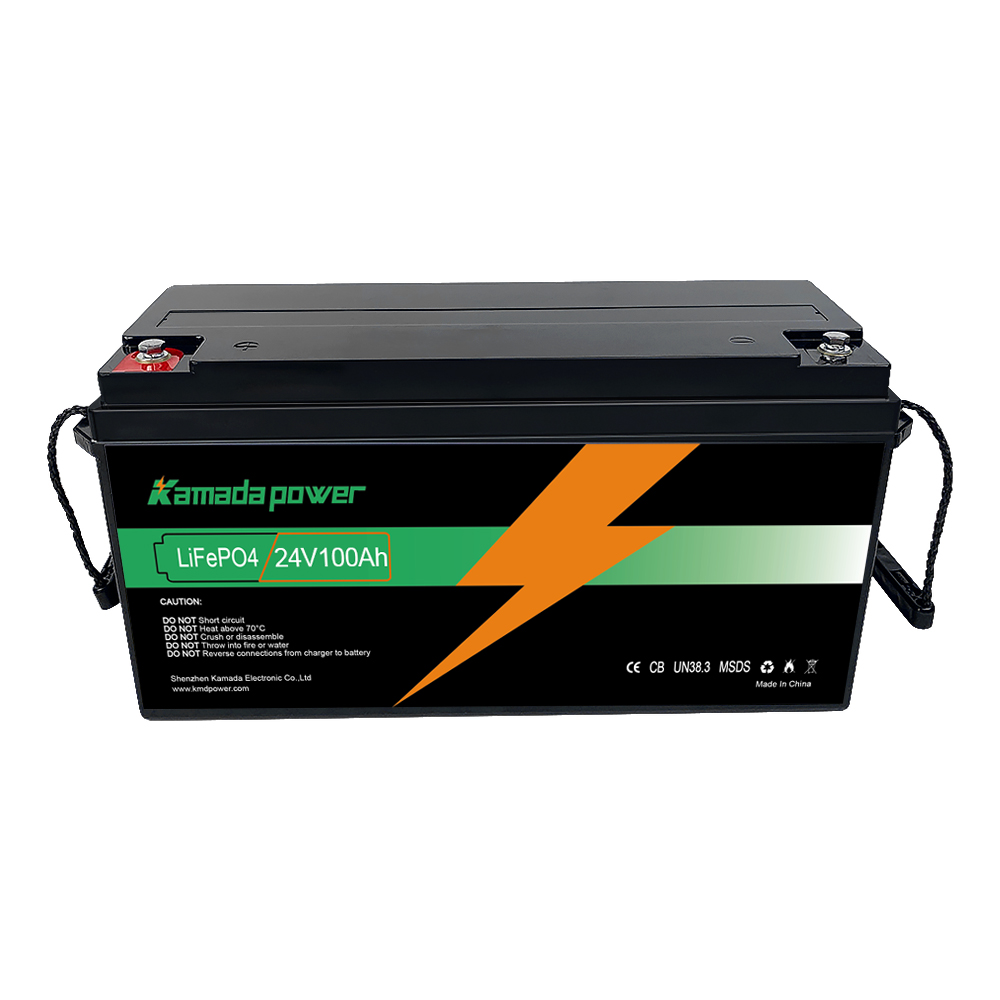
Bateria Lifepo4 24v 100Ah Kamada Power
Necessita de uma bateria de motor de pesca de 12V ou 24V?
Escolher uma bateria de 12V para o motor de pesca se:
- Tamanho do barco: Menos de 16 pés (Jon boats, caiaques, pequenos skiffs).
- Condições: Águas interiores calmas, pequenos lagos ou lagoas.
- Necessidade de impulso: Menos de 55 lbs.
- Prioridade: Simplicidade, baixo peso e configuração económica.
Escolher uma bateria de motor de pesca de 24V se:
- Tamanho do barco: Mais de 16 pés (barcos de pesca de robalo, barcos de pesca de fundo, barcos de baía).
- Condições: Correntes de maré, vento forte ou mar aberto.
- Necessidade de impulso: Mais de 70 lbs.
- Prioridade: Eficiência eléctrica, tempo de funcionamento prolongado e poder de retenção em águas agitadas.
A Regra de Ouro: Se o seu barco totalmente carregado necessitar de mais de 55 lbs de impulso para manobrar eficazmente, um sistema de 24V é efetivamente obrigatório. Existem motores de 12V que afirmam ter maior impulso, mas levam a cablagem de 12V aos seus limites térmicos.
A matriz de decisão: Corresponder a tensão ao tamanho do barco
Quando consultamos OEMs, calculamos com base no deslocamento do casco, mas para a maioria dos compradores, o comprimento do barco é o guia mais prático. Utilize este gráfico para encontrar a sua base de referência.
| Comprimento e tipo de barco | Tensão recomendada | Impulso do alvo | Perceção e cenário de especialistas |
|---|
| < 14′ (Jon Boats, Kayaks) | 12V | ~55 lbs | 12V é rei. Leve e portátil. A adição de uma segunda bateria para 24V acrescenta um peso desnecessário que arruína a sua inclinação e estabilidade. |
| 14′ - 16′ (Utilitário, cascos em V pequenos) | 12V | 55 lbs | O "ponto ideal". Perfeito para um desempenho geral. A menos que esteja a pescar em torneios profissionais, 12V é suficiente. |
| 16′ - 18′ (A "Zona Cinzenta") | 12V / 24V | 55 - 80 lbs | Ponto de decisão crítico: - Casual (Águas calmas): Fixação a 12V. - Grave (correntes/vento): Actualize para 24V. Um motor de 12V terá dificuldade em manter a posição aqui, esgotando rapidamente a bateria. |
| > 18′ (Bass Boats, Deep-V) | 24V / 36V | 80 - 112 lbs | Atualização obrigatória. A área da superfície do casco actua como uma vela. Um sistema de 24V é o ponto de entrada mínimo; as embarcações offshore devem considerar 36V. |
Não se trata apenas de apanhar peixe. Se for apanhado por uma tempestade ou se uma maré forte puxar o seu casco, um motor de arrasto com pouca potência torna-se um risco para a segurança. Necessita de binário suficiente para fazer frente aos elementos, e não apenas para andar à deriva com eles.
A Física da Eficiência: Porque é que 24V ganha em "Amp Draw"
Do ponto de vista da engenharia, a maior vantagem dos 24V não é apenas a potência - é eficiência. Isto resume-se à fórmula fundamental da eletricidade:
Os watts representam o trabalho efetivo que move o barco.
Os amperes representam o fluxo de corrente (que cria calor).
O problema do calor
O calor é o inimigo da eletrónica. Uma amperagem elevada gera calor nos seus fios, conectores e escovas do motor. O calor é essencialmente energia desperdiçada que não move o seu barco.
A comparação
Digamos que precisa de 600 Watts de potência para manter o barco contra uma corrente.
- Sistema 12V: Para obter 600W, o motor deve puxar 50 amperes (). Trata-se de uma carga pesada que aquece rapidamente os fios.
- Sistema 24V: Para obter os mesmos 600W, o motor apenas puxa 25 amperes ().
O resultado: Um motor de 24V funciona significativamente mais frio. Uma vez que desperdiça menos energia sob a forma de calor, um sistema de 24V funcionará frequentemente mais tempo do que um sistema de 12V, mesmo que as baterias contenham teoricamente a mesma energia total.
Caraterística crítica: Precisão de bloqueio de ponto e estabilidade de tensão
Os motores de corrico modernos (Minn Kota i-Pilot, Garmin Force, Lowrance Ghost) já não são simples motores eléctricos; são computadores sofisticados com chips GPS.
O problema: corte de tensão
Como qualquer computador, estes motores têm uma tensão mínima de funcionamento. Se a tensão cair demasiado, o módulo GPS será reiniciado ou o "Spot-Lock" (modo de ancoragem) será desativado.
A falha de 12V
Quando se carrega uma bateria de chumbo-ácido de 12V com uma carga pesada (como combater uma rajada de vento), a tensão "desce". Uma bateria de 12,8V totalmente carregada pode cair momentaneamente para 10,5V sob carga. Isto é perigosamente próximo do limiar digital de falha de muitos motores GPS.
A vantagem dos 24V
Um sistema de 24V funciona com cerca de 25,6V. Mesmo sob uma carga massiva, se houver uma queda de 2 ou 3 volts, você ainda estará sentado a ~22V - milhas acima do limite de desligamento. Essa "sobrecarga de voltagem" garante que seu Spot-Lock permaneça firme como uma rocha, mesmo em condições difíceis.
Configuração e química: Cablagem em série vs. bateria única de 24V
Se decidir optar por 24V, tem duas formas de construir o banco de potência.
O fator peso (Agilidade)
- Velha escola (chumbo-ácido): É necessário ligar duas baterias AGM do Grupo 27 em série. Isso é aproximadamente 120 lbs de chumbo na parte de trás do barco. Isto prejudica a sua tacada e faz com que o barco se estique mais.
- Moderno (lítio): Pode utilizar uma única bateria LiFePO4 de 24V (ou duas baterias de lítio de 12V). Uma única bateria de lítio de 24V 50Ah pesa cerca de 30 lbs. Isto representa uma poupança de peso de 90 lb - equivalente a expulsar um passageiro do barco.
Configurações de cablagem
1. Ligação em série (2x 12V)
Este é o método tradicional: ligar o Positivo da Bateria A ao Negativo da Bateria B.
- Prós: Redundância. Se uma bateria se esgotar, pode tecnicamente religar o seu sistema para ficar com 12V (se o seu motor o suportar, ou se tiver um motor de 12V de reserva).
- Contras: Questões de equilíbrio. Se uma bateria for ligeiramente mais antiga ou mais fraca do que a outra, o desempenho de todo o sistema será afetado. Também tem o dobro dos cabos para verificar a corrosão.
2. Caixa única (1x 24V)
- Prós: Manutenção do equilíbrio zero. O sistema interno de gestão da bateria (BMS) gere todas as células na perfeição. É "Plug and Play" - dois terminais, uma bateria.
- Contras: Sem reserva. Se a bateria falhar (o que é raro no caso do lítio de alta qualidade), está perdido.
Inteligência de instalação: Cablagem, disjuntores e fichas
Atualizar a voltagem significa muitas vezes repensar o seu equipamento. Não se pode simplesmente colocar um motor de 24V numa cablagem de 12V e esperar pelo melhor.
Bitola do fio (AWG): O gargalo oculto
Ironicamente, Os sistemas de 12V requerem um fio mais grosso. Como os sistemas de 12V puxam mais amperes (como discutido na secção de física), são mais propensos a quedas de tensão. Muitas vezes é necessário 4 AWG ou 6 AWG O fio para 12V vai para a proa.
Os sistemas de 24V permitem fios mais leves. Uma vez que a arquitetura de 24V reduz a amperagem para metade, pode frequentemente utilizar com segurança 8 AWG que é mais barato e mais fácil de passar pelo casco.
Proteção do circuito
- Disjuntor: Padronizar um Disjuntor marítimo de 60 Amp. Isto protege os enrolamentos do motor contra o sobreaquecimento se as ervas daninhas se enrolarem à volta da hélice.
- Fio rígido vs. ficha: Tenha cuidado com as velas de motor de pesca genéricas e baratas. Sob correntes elevadas e constantes, as fichas de plástico baratas podem derreter. Para sistemas de 24 V, recomendamos fichas industriais de alta resistência (como Battery Tender ou Marinco) ou a ligação direta a um bloco de terminais se não retirar o motor com frequência.
Análise de custos: A atualização para 24V vale a pena?
Vamos abordar o elefante na sala: O preço.
Sim, um sistema de 24V custa cerca de 30-40% mais à cabeça. Está a comprar um motor maior e uma bateria única mais cara ou duas baterias normais.
Mas considere o ROI a longo prazo:
- Tempo de vida do motor: Como os motores de 24V funcionam mais frios (amperes mais baixos), as escovas internas e a armadura duram anos mais do que um motor de 12V que se leva ao limite.
- Ciclo de vida da bateria: Ao dividir a carga por uma tensão mais elevada, a bateria sofre menos pressão de "descarga profunda", o que prolonga a sua vida útil.
- Valor de revenda: No mercado de barcos usados, um barco com um sistema de 24V tem um preço mais elevado. Indica ao comprador que o barco está "pronto para o torneio".
Conclusão
A escolha entre 12V e 24V acaba por definir o perfil da sua missão: para o "Weekender" em águas calmas, um sistema de 12V é fiável e económico. No entanto, para o "pescador sério" que luta contra as correntes ou que depende da precisão do Spot-Lock, a atualização para 24V não é negociável para obter a eficiência e a força de retenção de que necessita para se manter eficaz.
Não tem a certeza de qual se adapta ao seu casco? Contactar-nos para personalizar a bateria do motor de pesca solução adaptada a si.
FAQ
Posso fazer funcionar um motor de pesca de 24V com uma única bateria de 12V?
Não, o motor simplesmente não funciona. Um motor de 24V necessita de uma tensão mínima (normalmente cerca de 20V) para acordar os seus componentes electrónicos. Por outro lado, ligar um motor de 12V a uma bateria de 24V irá fritar instantaneamente a placa de controlo do motor.
Um motor de 24V faz o meu barco andar mais depressa?
Apenas ligeiramente. Embora um motor de 24V tenha mais binário (potência para ultrapassar a resistência), a conceção do casco e o passo da hélice limitam principalmente a velocidade máxima. A verdadeira vantagem do 24V não é a velocidade máxima; é a capacidade de manter a velocidade contra o vento e a corrente sem sobreaquecer.
Posso misturar diferentes marcas ou idades de baterias numa série de 24V?
Aconselhamos vivamente que não o faça. Se ligar uma bateria de chumbo-ácido antiga em série com uma nova (ou misturar marcas), a bateria mais fraca descarregar-se-á mais rapidamente, provocando o colapso da tensão e danificando potencialmente a nova bateria. Faça sempre corresponder exatamente a tensão, a capacidade (Ah), a idade e a química.