Twój Akumulator samochodowy Opróżnia się w ciągu nocy? Oto jak to naprawić. Wszyscy mieliśmy do czynienia z tym przerażającym "klik-klik-klik" w pracowity poranek, logistycznym koszmarem, który zabija produktywność każdego menedżera floty. Jeśli akumulator rozładowuje się z dnia na dzień pomimo sprawnego alternatora, prawdopodobnie mamy do czynienia z "pasożytniczym poborem prądu" - elektrycznym wampirem wysysającym energię podczas snu. Niniejszy przewodnik pokaże Ci, jak zatrzymać ten proces i zidentyfikować winowajcę, oszczędzając Ci wymiany akumulatora $200, która w rzeczywistości może nie być potrzebna.
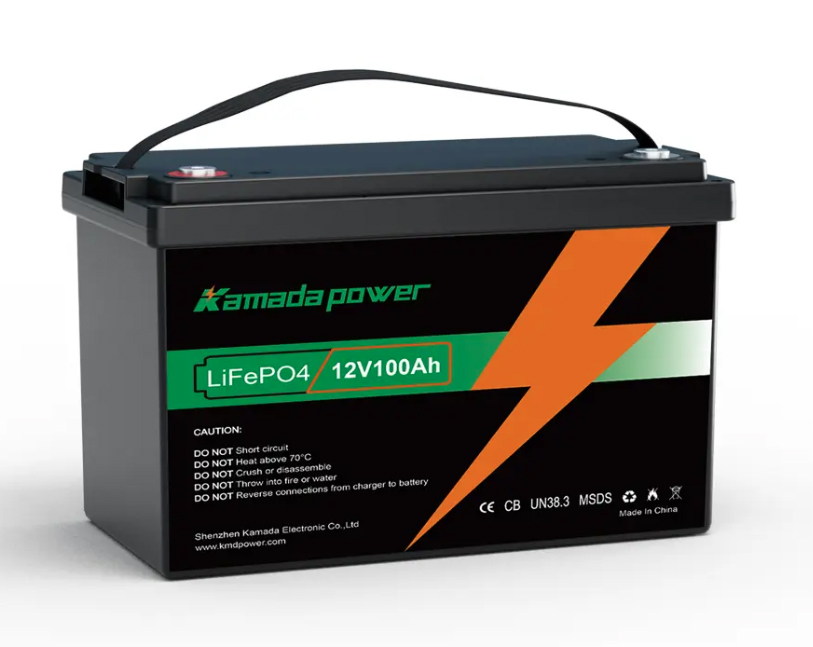
Bateria Kamada Power 12v 100Ah Lifepo4
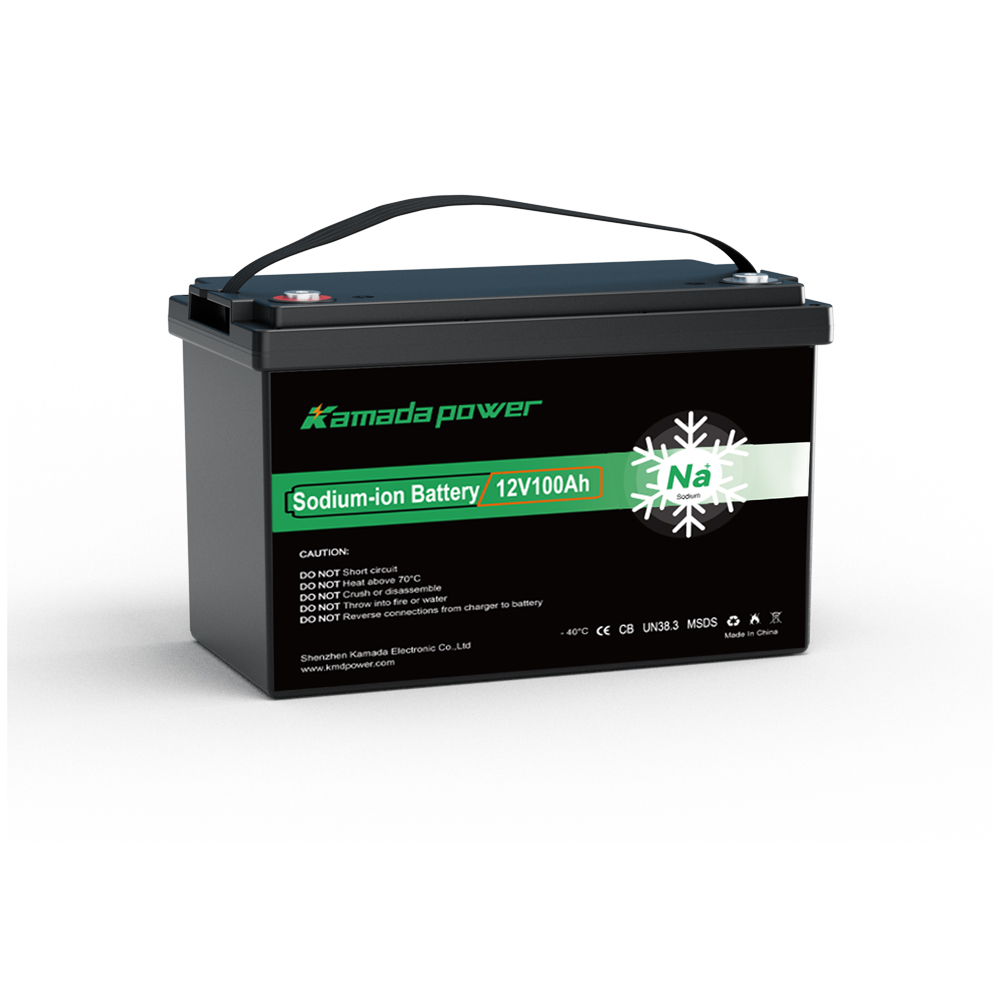
Akumulator sodowo-jonowy Kamada Power 12 V 100 Ah
Top 5 powodów, dla których akumulatory samochodowe rozładowują się w ciągu nocy
Zanim sięgniemy po narzędzia, przyjrzyjmy się zwykłym podejrzanym. Podczas mojej wieloletniej pracy z przemysłowymi systemami akumulatorowymi odkryłem, że najbardziej złożone problemy często mają najprostsze (i najbardziej irytujące) przyczyny.
1. Dlaczego błąd ludzki może spowodować rozładowanie akumulatora samochodowego w ciągu nocy?
Brzmi to prawie zbyt prosto, ale błąd ludzki jest główną przyczyną "wampirzych" odpływów. Być może kierowca zostawił włączone światło dzienne podczas wypełniania dokumentów, a może drzwi nie były do końca zatrzaśnięte, przez co światła awaryjne były aktywne przez osiem godzin. Nawet pozostawienie lekko uchylonego bagażnika może spowodować zamknięcie wewnętrznego obwodu oświetlenia, który pobiera wystarczającą ilość prądu, aby rozładować akumulator przed świtem.
2. Jak pasożytniczy pobór prądu rozładowuje akumulator samochodowy podczas postoju
Nowoczesne pojazdy to w zasadzie komputery na kółkach. Po wyłączeniu samochodu różne moduły - radio, system alarmowy, moduł sterujący silnika (ECM) - nie "umierają". Przechodzą one w tryb uśpienia (stan niskiego poboru mocy), aby zachować pamięć i być gotowym na powrót użytkownika. Pasożytniczy pobór prądu występuje, gdy jeden z tych modułów "nie śpi" lub zwarcie tworzy ścieżkę do ucieczki energii elektrycznej.
3. Czy uszkodzona dioda alternatora może powodować nocne rozładowanie akumulatora?
Jest to "ukryty" drenaż. Zadaniem alternatora jest ładowanie akumulatora za pomocą diod - jednokierunkowych zaworów elektrycznych, które przepuszczają prąd do bateria, ale nie z powrotem do alternatora. Jeśli dioda ulegnie awarii, prąd może płynąć w niewłaściwym kierunku, gdy silnik jest wyłączony. Z naszego doświadczenia w pracy z klientami przemysłowymi wynika, że uszkodzona dioda może pobierać nawet 3-4 ampery, co może zabić nawet wytrzymały akumulator w ciągu zaledwie kilku godzin.
4. Jak ekstremalne temperatury wpływają na żywotność akumulatora samochodowego w ciągu nocy
Mróz jest naturalnym wrogiem akumulatorów. Niskie temperatury spowalniają reakcje chemiczne wewnątrz ogniw kwasowo-ołowiowych, skutecznie zmniejszając ich pojemność. Akumulator, który działa dobrze w temperaturze 21°C (70°F), może mieć tylko 50% swojej mocy rozruchowej w temperaturze 0°C (32°F). Jeśli masz niewielki, normalnie nieszkodliwy odpływ, zimno może być "ostatnią słomką", która uniemożliwia uruchomienie.
5. Kiedy akumulator samochodowy jest po prostu za stary?
Przeciętny akumulator samochodowy wytrzymuje od 3 do 5 lat. W miarę starzenia się, zasiarczenie (gromadzenie się kryształów siarczanu ołowiu) zmniejsza zdolność płyt do utrzymywania ładunku. Ostatecznie akumulator zaczyna się wewnętrznie "samorozładowywać". W tym momencie żadne testy diagnostyczne nie pomogą - chemia jest po prostu zużyta.
Krok 1 - Jak najpierw wykluczyć wadliwą baterię?
Największym błędem, jaki można popełnić, jest spędzenie dwóch godzin na poszukiwaniu ducha okablowania, gdy sam akumulator jest po prostu uszkodzony. Używamy tego, co nazywamy testem odłączenia, aby odizolować zmienne.
Ten test jest niezawodny, ponieważ oddziela akumulator od elektrycznych "pasożytów" samochodu.
| Krok | Działanie | Oczekiwany wynik |
|---|
| 1 | Pełne naładowanie akumulatora | Używaj dedykowanej ładowarki; upewnij się, że osiąga napięcie 12,6 V. |
| 2 | Odłączyć zacisk ujemny | Zdejmij maskę i odłącz na noc przewód ujemny (-). |
| 3 | Sprawdź rano | Podłącz ponownie i spróbuj uruchomić. Jeśli nie działa, akumulator jest uszkodzony. Należy go wymienić. |
| 4 | Moment "Aha!" | Jeśli samochód uruchamia się idealnie, akumulator jest w porządku. Masz pasożytniczy pobór prądu. |
Jeśli bateria pomyślnie przeszła test odłączenia, nadszedł czas, aby przejść do kwestii technicznych. Będziesz potrzebował Multimetr cyfrowy (DMM) zdolny do pomiaru Natężenie prądu (A).
Jak przygotować samochód do dokładnych pomiarów?
Nie można po prostu podłączyć miernika i zacząć ciągnąć za przewody. Nowoczesne samochody mają okres "schładzania".
- Wyłącz wszystko: Kluczyki wyjęte, światła zgaszone, drzwi zamknięte.
- Oszukać samochód: Jeśli chcesz uzyskać dostęp do wewnętrznej skrzynki bezpieczników, użyj śrubokręta, aby ręcznie "wyzwolić" zatrzask drzwi, aby samochód myśli drzwi są zamknięte.
- Czas oczekiwania: Większość ECU potrzebuje od 15 do 45 minut, aby przejść w tryb uśpienia. Jeśli przeprowadzisz test zbyt wcześnie, zobaczysz wysoki odczyt, który w rzeczywistości jest tylko normalną procedurą wyłączania samochodu.
Jak skonfigurować multimetr
Przesuń czerwoną sondę do Port 10A (lub 20A). Pozostawienie go w standardowym porcie napięcia spowoduje przepalenie bezpiecznika w mierniku w momencie dotknięcia baterii. Ustaw pokrętło na Ampery prądu stałego.
Jak bezpiecznie podłączyć multimetr szeregowo
Kluczowe: Multimetr mierzy natężenie prądu w seriaco oznacza, że cała energia elektryczna musi płynąć poprzez licznik.
- Odłącz ujemny przewód akumulatora.
- Dotknij jedną sondą do właściwego bieguna akumulatora.
- Dotknij drugą sondą do metalowego zacisku na właśnie usuniętym kablu.
Ostrzeżenie: Nie próbuj - powtarzam, nie próbuj - uruchamiać samochodu lub włączać reflektorów, gdy miernik jest podłączony w ten sposób. Rozrusznik pobiera setki amperów, co spowoduje natychmiastowe odparowanie bezpiecznika wewnątrz multimetru.
Jak interpretować pomiary przyciągania pasożytniczego?
- Normalny: Poniżej 50 mA (0,05 A). Jest to "Keep Alive Memory" dla radia i zegara.
- Problem: Wszystko powyżej 100 mA (0,10 A). Jeśli widzisz 0,50 A lub więcejznalazłeś swojego wampira. Dla kontekstu, pobór 0,5 A rozładuje standardową baterię do poziomu "bez rozruchu" w ciągu około dwóch dni.
Krok 3 - Jak znaleźć winowajcę za pomocą testu wyciągnięcia bezpiecznika?
Teraz, gdy potwierdziłeś istnienie losowania, musisz dowiedzieć się, w którym "pokoju" w domu jest włączone światło.
Jak zidentyfikować obwód powodujący rozładowanie akumulatora?
- Ustalenie punktu odniesienia: Poproś partnera, aby obserwował multimetr (lub podeprzyj go tak, abyś mógł go widzieć).
- Metoda "Pull": Otwórz skrzynkę bezpieczników i wyciągaj bezpieczniki jeden po drugim. Jeśli natężenie prądu na mierniku pozostaje wysokie, włóż bezpiecznik z powrotem i przejdź do następnego.
- Przełom: Jeśli po wyciągnięciu bezpiecznika odczyt nagle spadnie do 0,03 A (30 mA), oznacza to, że został on znaleziony.
- Sprawdź winowajcę: Sprawdź w instrukcji, co kontroluje ten bezpiecznik. Najczęstszymi sprawcami są alarmy z rynku wtórnego, subwoofery lub lampka schowka, która się nie wyłącza.
Tymczasowe rozwiązania zapobiegające nocnemu odpływowi wody
Czasami nie ma czasu na rozbieranie deski rozdzielczej we wtorkowy wieczór. Jeśli potrzebujesz pojazdu sprawnego jutro, skorzystaj z tych środków tymczasowych.
1. Jak korzystać z prostownika do akumulatorów
A Battery Tender (lub ładowarka podtrzymująca) to inteligentne urządzenie, które podłącza się do gniazdka ściennego i utrzymuje poziom naładowania akumulatora. "Rozmawia" z akumulatorem i dostarcza wystarczającą ilość prądu, aby przeciwdziałać wszelkim pasożytniczym poborom. Jest to ulubione rozwiązanie menedżerów flot B2B, którzy mają pojazdy stojące przez kilka dni.
2. Jak zainstalować odłącznik akumulatora
Jeśli nie masz dostępu do gniazdka ściennego dla ładowarki, możesz zainstalować fizyczny przełącznik odłączający (często zielone pokrętło) na biegunie ujemnym. Szybkie przekręcenie pokrętła fizycznie przerywa obwód, zapewniając zerowe zasilanie akumulatora, dopóki nie będziesz gotowy do jazdy.
Wnioski
Rozładowany akumulator to ogromny ból głowy, ale nie kupuj zamienników na ślepo, gdy "nocne rozładowania" są zwykle spowodowane drobnymi usterkami elektrycznymi, a nie awarią akumulatora. Używając prostego testu odłączenia i multimetru do śledzenia poboru prądu, można zidentyfikować wampira, wyciągnąć bezpiecznik i przywrócić poranek na właściwe tory bez frustracji.
Kontakt Kamada Power nasz zespół inżynierów ds. baterii zaprojektował niestandardowy akumulator samochodowy Rozwiązanie dostosowane do Twoich potrzeb.
FAQ
Czy zły rozrusznik może rozładować akumulator samochodowy w ciągu nocy?
Jest to bardzo rzadkie. Rozrusznik zwykle pobiera energię tylko wtedy, gdy cewka jest włączona za pomocą kluczyka. Jeśli rozrusznik "rozładowuje" akumulator, zwykle jest to spowodowane ogromnym wewnętrznym zwarciem, ale prawdopodobnie zobaczysz iskry lub dym na długo przed tym, jak usiądzie na noc.
Ile amperów poboru jest normalne dla nowoczesnych samochodów?
Zdrowy zakres to 20 mA do 50 mA. Luksusowe samochody z większą liczbą systemów telematycznych i systemów "keyless go" mogą mieć tendencję do wyższego poziomu (85 mA), ale wszystko powyżej 100 mA jest czerwoną flagą.
Czy pozostawienie akcesoriów z rynku wtórnego może spowodować rozładowanie baterii w ciągu nocy?
Absolutnie. Z naszego doświadczenia wynika, że źle podłączone kamery samochodowe, urządzenia śledzące GPS i nieoryginalne systemy bezpieczeństwa są przyczyną #1 pasożytniczego poboru prądu. Jeśli są one podłączone do obwodu "stałego gorąca" zamiast do obwodu "przełączanego zapłonu", nigdy nie przejdą w stan uśpienia.
Czy AutoZone przeprowadzi test na obecność pasożytów?
Zazwyczaj nie. Większość sklepów z częściami samochodowymi posiada urządzenia, które testują stan akumulatora i moc (napięcie) alternatora. Jednak śledzenie pasożytniczego poboru prądu jest pracochłonne i wymaga multimetru i czasu - czegoś, czego większość sklepów detalicznych nie zapewnia.