Czy Akumulator sodowo-jonowy Czy systemy działają niezawodnie na dużych wysokościach? Dla producentów OEM, dystrybutorów i integratorów systemów duże wysokości to nie tylko kolejny punkt na liście czynników środowiskowych. Zazwyczaj wiążą się one z chłodniejszymi nocami, rzadszym powietrzem, słabszą wydajnością chłodzenia i trudniejszą konserwacją.
Kluczową kwestią nie jest to, czy technologia jonowo-sodowa sprawdzi się w warunkach górskich, ale czy cały system akumulatorowy będzie działał niezawodnie w warunkach ładowania w niskich temperaturach, ograniczonego chłodzenia, ograniczeń systemu zarządzania akumulatorami (BMS), ograniczeń obudowy, zachowania ładowarki lub falownika oraz długich okresów między przeglądami. Wybór akumulatorów do zastosowań na dużych wysokościach należy zatem traktować jako decyzję inżynieryjną na poziomie całego systemu, a nie jedynie jako porównanie różnych technologii chemicznych.
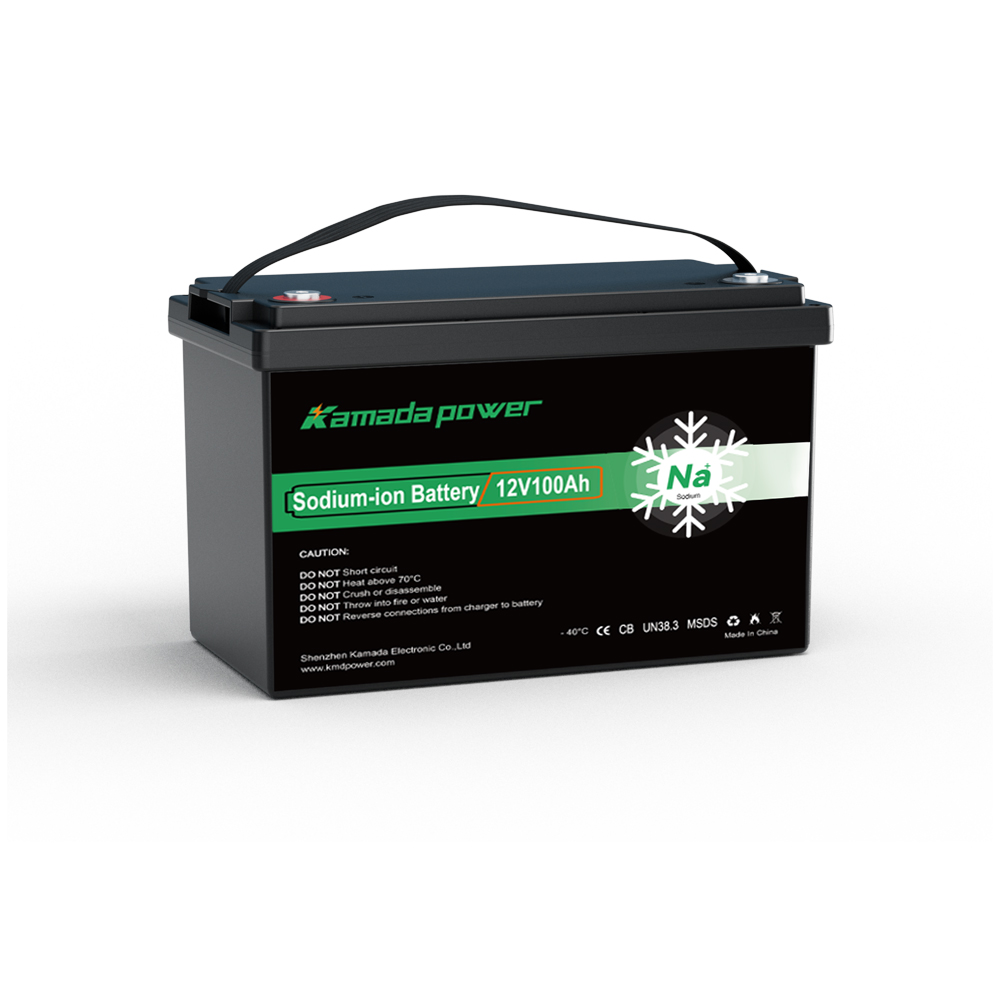
Akumulator sodowo-jonowy Kamada Power 12 V 100 Ah
Czy akumulator litowo-jonowy może działać na dużych wysokościach?
| Pytanie | Praktyczna odpowiedź |
|---|
| Czy akumulatory sodowo-jonowe mogą działać na dużych wysokościach? | Tak, jest to możliwe, pod warunkiem że zasilacz i system zostały zaprojektowane z uwzględnieniem odpowiednich limitów roboczych. |
| Czy to właśnie wysokość stanowi główny problem? | Zazwyczaj nie. Poważniejsze problemy to ładowanie na zimno, słabsze chłodzenie, rezerwa projektowa związana z ciśnieniem oraz zdalna konserwacja. |
| Czy technologia jonów sodu automatycznie rozwiązuje te problemy? | Nie. Chemia ma tu swoje znaczenie, ale o niezawodności w warunkach eksploatacyjnych nadal decydują: konstrukcja akumulatora, logika systemu zarządzania akumulatorem (BMS), strategia ładowania, konstrukcja obudowy oraz integracja systemu. |
| Czy wystarczy zdać test wysokościowy? | Nie. Testy w warunkach transportowych lub symulacyjne nie pozwalają ocenić rzeczywistej wydajności w warunkach górskich przy wielokrotnych rozruchach na zimno, cyklach ładowania, zmianach obciążenia oraz w warunkach panujących na zewnątrz. |
| Kiedy technologia jonowo-sodowa jest najbardziej atrakcyjna? | Zastosowania w niskich temperaturach, w odległych lokalizacjach i bezobsługowe, w których bezpieczeństwo, możliwość eksploatacji w niskich temperaturach oraz ryzyko związane z serwisowaniem mają większe znaczenie niż maksymalna gęstość energii. |
Co tak naprawdę zmienia się na dużych wysokościach
Wysokość ma wpływ na układy akumulatorowe na wiele sposobów, ale trzy zmiany mają największe znaczenie:
1. Niższa temperatura otoczenia
Na większych wysokościach temperatury są zazwyczaj niższe, zwłaszcza w nocy i wczesnym rankiem. Niższa temperatura otoczenia może zmniejszyć obciążenie termiczne przy niewielkim lub umiarkowanym obciążeniu, ale nie poprawia to automatycznie wydajności akumulatora. W niskich temperaturach może wzrosnąć rezystancja wewnętrzna, zmniejszyć się pojemność użytkowa, spowolnić się przywracanie napięcia, a ładowanie może stać się utrudnione.
W przypadku projektów dotyczących akumulatorów przeznaczonych do pracy na dużych wysokościach kluczową kwestią nie jest tylko to, czy akumulator może się rozładowywać w niskich temperaturach. Ważniejsze jest to, czy po długim okresie przechowywania w niskiej temperaturze jest w stanie ponownie się uruchomić, bezpiecznie przyjąć ładunek i odzyskać energię użytkową.
2. Niższe ciśnienie powietrza
Wraz ze wzrostem wysokości spada ciśnienie powietrza. W przypadku prostych zestawów akumulatorów niskonapięciowych nie musi to stanowić głównego ograniczenia projektowego. Jednak gdy system obejmuje falownik, architekturę prądu stałego o wyższym napięciu lub szybkołączącą elektronikę mocy, niższe ciśnienie staje się czymś więcej niż tylko szczegółem środowiskowym. Może to zmniejszyć margines izolacji i wywrzeć większą presję na projekt układu elektrycznego.
Nie oznacza to, że każdy akumulator musi być przeprojektowany pod kątem zastosowań górskich. Oznacza to natomiast, że w przypadku eksploatacji systemu w warunkach wykraczających poza standardowe założenia projektowe należy zweryfikować poziom napięcia, odstępy izolacyjne, odległości upływowe, dobór złączy, elektronikę mocy oraz założenia dotyczące obniżenia parametrów znamionowych.
3. Niższa gęstość powietrza i słabsze chłodzenie
Rozrzedzone powietrze sprawia, że zarówno konwekcja naturalna, jak i chłodzenie wymuszone są mniej skuteczne. Kwestia ta jest często niedoceniana. Wiele osób słysząc „zimne środowisko”, zakłada, że ciepło nie stanowi już problemu. W praktyce rzadsze powietrze gorzej odprowadza ciepło. W rezultacie system akumulatorów, który na poziomie morza wydaje się działać w komfortowych warunkach termicznych, na wysokości może nagrzewać się bardziej niż oczekiwano, zwłaszcza jeśli jego konstrukcja opiera się na chłodzeniu powietrzem, naturalnym przepływie powietrza lub szczelnej obudowie zewnętrznej.
Ma to szczególne znaczenie w przypadku systemów o obciążeniu ciągłym, poddawanych wielokrotnemu ładowaniu, wyposażonych w zintegrowane falowniki, przetwornice DC-DC lub umieszczonych w kompaktowych obudowach. W takich przypadkach wysokość nad poziomem morza może zmniejszyć rezerwę termiczną, nawet jeśli powietrze na zewnątrz wydaje się chłodne.
Dlaczego ma to znaczenie w rzeczywistych projektach
Zmiany te nie zawsze powodują natychmiastową awarię, ale wpływają na rezerwy projektowe systemu. W zastosowaniach na dużych wysokościach należy dokładniej przeanalizować takie kwestie, jak założenia termiczne, rezerwy izolacji elektrycznej, przepływ powietrza w obudowie, zachowanie podczas rozruchu na zimno, logika ponownego uruchamiania oraz planowanie konserwacji, niż ma to miejsce na poziomie morza.
Akumulator, który sprawdza się podczas testów fabrycznych, magazynowych lub prób w terenie na poziomie morza, może zachowywać się inaczej w warunkach górskich, gdzie występują jednocześnie chłodne noce, rzadsze powietrze, ograniczone możliwości ładowania słonecznego oraz ograniczone możliwości konserwacji.
Praktyczna zasada inżynierska
Wiele zespołów inżynierów zaczyna traktować 2000 metrów i więcej jako punkt, powyżej którego nie należy już lekceważyć wpływu wysokości. Nie oznacza to, że każdy produkt ulegnie awarii powyżej tej wysokości. Oznacza to natomiast, że przed wdrożeniem systemu należy dokładniej przeanalizować pierwotne założenia projektowe.
W przypadku instalacji o wyższym napięciu, systemów opartych na falownikach lub hermetycznych instalacji zewnętrznych ocena powinna być jeszcze bardziej rygorystyczna. Nabywcy powinni zadawać nie tylko pytanie: „Czy akumulator może działać na tej wysokości?”, ale także: „Czy cały system został poddany ocenie pod kątem tej wysokości, zakresu temperatur, profilu obciążenia, konstrukcji obudowy oraz źródła ładowania?”.
Dlaczego akumulatory sodowo-jonowe cieszą się zainteresowaniem w projektach górskich
Technologia jonowo-sodowa nie bez powodu pojawia się w dyskusjach dotyczących eksploatacji na dużych wysokościach: ma ona realne zalety w zastosowaniach w zimnym klimacie.
Nie oznacza to jednak, że każda bateria sodowo-jonowa jest automatycznie właściwym wyborem. Oznacza to, że nabywcy słusznie dostrzegają, iż baterie sodowo-jonowe mogą stanowić przydatne rozwiązanie w niskich temperaturach – w zastosowaniach, w których istotne znaczenie mają chłodne poranki, odległe lokalizacje, wymogi bezpieczeństwa oraz ograniczony dostęp w celu konserwacji.
Akumulator sodowo-jonowy to nie magiczna „górska bateria”. Nie eliminuje ona potrzeby zastosowania odpowiedniego systemu zarządzania baterią (BMS). Nie naprawia wadliwej konstrukcji obudowy. Nie sprawia, że chłodzenie powietrzem staje się zbędne. Nie gwarantuje też, że system będzie się bezpiecznie ładował po mroźnej nocy.
Praktyczna wartość akumulatorów sodowo-jonowych zależy od konkretnej konstrukcji ogniwa, konfiguracji zestawu, limitów temperatury systemu zarządzania akumulatorami (BMS), kontroli prądu ładowania, konstrukcji obudowy oraz walidacji systemu. Wydajny zestaw akumulatorów sodowo-jonowych należy oceniać na podstawie jego rzeczywistych limitów eksploatacyjnych, a nie tylko ogólnych deklaracji dotyczących właściwości chemicznych.
Akumulatory sodowo-jonowe mogą stanowić doskonałe rozwiązanie do zastosowań na dużych wysokościach, zwłaszcza w zimnych i odległych lokalizacjach — jednak ostateczny wynik nadal zależy od konstrukcji zestawu akumulatorów, parametrów roboczych, strategii termicznej, jakości integracji oraz weryfikacji w warunkach rzeczywistych.
Gdzie baterie sodowo-jonowe sprawdzają się najlepiej – i gdzie nabywcy powinni zachować większą ostrożność
| Scenariusz | Dopasowanie jonów sodu | Dlaczego |
|---|
| Zdalne systemy fotowoltaiczne z magazynowaniem energii w zimnych regionach górskich | Silny | W warunkach niskich temperatur ważniejsze od maksymalnej gęstości energii są: użyteczność, bezpieczeństwo oraz mniejsze ryzyko związane z serwisowaniem. |
| Zapasowe łącza telekomunikacyjne na wysokości | Silny | Niezawodność, bezpieczeństwo i praca bezobsługowa są ważniejsze niż wyciskanie z każdego kilograma nawet ostatniej watogodziny. |
| Stacje monitorujące, stacje meteorologiczne, czujniki zdalne | Silny | Systemy te często muszą radzić sobie z uruchamianiem na zimno, ograniczonymi możliwościami konserwacji, ekspozycją na warunki zewnętrzne oraz długimi okresami między przeglądami. |
| Pojazdy specjalistyczne lub systemy mobilne w zimnych regionach górskich | Dobry | Może to być atrakcyjne rozwiązanie, o ile odpowiednio kontroluje się strategię ładowania, prąd rozładowania, zabezpieczenie przed wibracjami oraz sposób ponownego uruchamiania. |
| Systemy o dużym obciążeniu ciągłym i ograniczonym zapasem chłodzenia | Uwaga | Rozrzedzone powietrze zmniejsza skuteczność chłodzenia, dlatego też projekt termiczny, obniżenie parametrów znamionowych oraz przepływ powietrza w obudowie stają się większym wyzwaniem. |
| Częste ładowanie w temperaturach poniżej zera | Uwaga | Sama chemia nie wystarczy, by przezwyciężyć ograniczenia związane z ładowaniem w niskich temperaturach. Istotne znaczenie mają logika systemu BMS, ograniczenia prądu ładowania oraz strategia ogrzewania. |
| Niewłaściwie zintegrowane systemy modernizacyjne | Słaby | Nawet obiecująca konstrukcja nie jest w stanie zrekompensować złych ustawień falownika, niedoskonałego sterowania akumulatorami, słabej logiki komunikacyjnej ani wadliwej konstrukcji obudowy. |
Właśnie w tym kontekście akumulatory sodowo-jonowe stają się interesujące z komercyjnego punktu widzenia. Przy odpowiednim zastosowaniu mogą pomóc nabywcom zmniejszyć ryzyko związane z obsługą techniczną i stworzyć bardziej niezawodny system przystosowany do warunków zimowego klimatu. W przypadku niewłaściwego zastosowania mogą jednak rozczarować z tego samego powodu, co każda inna bateria: system, w którym są wykorzystywane, nie został prawidłowo zaprojektowany.
W przypadku zastosowań komercyjnych najlepszym scenariuszem nie jest po prostu „duża wysokość”. Najlepszym scenariuszem jest zazwyczaj zastosowania w warunkach niskich temperatur, w odległych lokalizacjach, trudne w serwisowaniu, wymagające szczególnej dbałości o bezpieczeństwo oraz charakteryzujące się umiarkowaną gęstością energii gdzie niezawodność i możliwość użytkowania w niskich temperaturach są ważniejsze niż jak najmniejsze rozmiary lub waga.
4 najważniejsze rodzaje awarii
Jeśli rozważasz zastosowanie akumulatorów sodowo-jonowych w warunkach górskich, warto zwrócić uwagę na te cztery rodzaje awarii.
1. Ładowanie na zimno po całonocnym namoczeniu
W wielu instalacjach wysokogórskich największym wyzwaniem nie jest odprowadzanie wody, lecz jej doprowadzanie.
Akumulator może nadal dostarczać energię w chłodny poranek, ale gdy zaczyna się ładowanie z paneli słonecznych lub generatora, prawdziwym ograniczeniem staje się zdolność przyjmowania ładunku w niskich temperaturach. Jeśli limity ładowania w systemie BMS są zbyt luźne, akumulator może być nadmiernie obciążony. Jeśli są zbyt restrykcyjne, proces regeneracji przebiega wolno, a ilość energii dostępnej na co dzień spada.
W przypadku obiektów bezobsługowych nie jest to kwestia bez znaczenia. Ma to bezpośredni wpływ na czas sprawności.
Kupujący powinni zapytać o konkretną strategię ładowania w niskich temperaturach, a nie tylko o zakres temperatur rozładowania. Przydatna odpowiedź dostawcy powinna obejmować dopuszczalny zakres temperatur ładowania, ograniczenia prądu ładowania w zależności od temperatury, logikę wyłączania systemu BMS, sposób przywracania sprawności oraz informację, czy wymagana jest jakakolwiek strategia ogrzewania lub opóźnienia ładowania.
2. Ograniczone chłodzenie w rzadkim powietrzu
Niska temperatura otoczenia nie oznacza automatycznie niskiej temperatury akumulatora pod obciążeniem. Rozrzedzone powietrze gorzej odprowadza ciepło, co oznacza, że nawet w niskich temperaturach w układzie może nadal dochodzić do przegrzania.
Jest to jedna z najczęstszych słabych stron projektów przeznaczonych do pracy na dużych wysokościach. Zestaw zaprojektowany w oparciu o założenia dotyczące przepływu powietrza na poziomie morza może wymagać mocniejszych wentylatorów, lepszego przepływu powietrza wewnątrz obudowy, bardziej konserwatywnych ograniczeń prądu, większych odstępów między elementami generującymi ciepło lub innego rozwiązania obudowy po wdrożeniu na wysokości.
Ma to szczególne znaczenie w przypadku umieszczenia akumulatora w metalowej szafce zewnętrznej, skrzynce telekomunikacyjnej, obudowie słonecznej latarni ulicznej, przyczepie mobilnej lub zintegrowanym zespole zasilającym. W takich konstrukcjach rzeczywista temperatura wewnętrzna może znacznie różnić się od temperatury otoczenia.
3. Problemy związane z obudową, wentylacją i rezerwą izolacyjną
Wydajność na dużych wysokościach nie zależy wyłącznie od ogniw. Zależy również od elementów sprzętowych otaczających ogniwa.
Różnice ciśnień, cykle kondensacji, jakość uszczelnień, konstrukcja odpowietrzników, złącza, przepusty kablowe oraz system odprowadzania wilgoci mają większe znaczenie w przypadku instalacji na odległych obszarach zewnętrznych. Drobne niedoskonałości mechaniczne, które w zwykłych warunkach wydają się nieistotne, mogą stać się poważnymi problemami z niezawodnością podczas eksploatacji w warunkach górskich.
A jeśli system zawiera elementy elektroniczne pracujące przy wyższym napięciu, należy dokładnie przeanalizować rezerwy elektryczne, zamiast zadowalać się ogólnymi zapewnieniami. Nabywcy powinni zwrócić szczególną uwagę na odległości izolacyjne, długość ścieżki upływowej, parametry znamionowe złączy, przebieg kabli, ograniczenia napięcia falownika oraz to, czy konieczne jest obniżenie parametrów znamionowych ze względu na wysokość nad poziomem morza.
4. Niezgodność systemu pod pozorem awarii akumulatora
Wiele zadań praktycznych wygląda jak zadania z chemii, ale w rzeczywistości są to zadania dotyczące integracji systemów.
Objawy mogą być wam znane:
- alarmy niskiego napięcia, które pojawiają się zbyt wcześnie
- słabe uruchamianie po chłodnej nocy
- wyłączenie falownika podczas przejściowego obciążenia
- przerwy w dostawie prądu
- Wartości progowe systemu BMS, które w praktyce wydają się niekonsekwentne
- Wartości SOC, które nie odpowiadają faktycznemu czasowi pracy
- ładowanie słoneczne, które w chłodne poranki wielokrotnie się włącza i wyłącza
W wielu przypadkach przyczyną nie są same ogniwa sodowo-jonowe. Prawdziwym problemem jest wzajemne oddziaływanie między ustawieniami zestawu akumulatorów, logiką systemu BMS, działaniem falownika, zakresem napięcia ładowarki, temperaturą, stanem naładowania oraz rzeczywistym cyklem pracy w danym miejscu.
Dlatego decyzji dotyczących wysokości nie należy nigdy podejmować wyłącznie na podstawie informacji o składzie chemicznym. Należy je podejmować dopiero po sprawdzeniu zgodności systemów.
Dlaczego testy na wysokości są przydatne – ale to za mało
Właśnie w tym miejscu wielu kupujących daje się wprowadzić w błąd.
Akumulator może przejść testy związane z wysokością, a mimo to okazać się złym wyborem do rzeczywistego użytkowania w górach. Dlaczego? Ponieważ podstawowe testy związane z wysokością lub transportem zazwyczaj potwierdzają jedynie, że akumulator zachowuje bezpieczeństwo w określonych warunkach niskiego ciśnienia. To ważne. Nie jest to jednak równoznaczne z potwierdzeniem niezawodnego codziennego działania na wysokości.
Prawdziwa służba w górach jest trudniejsza. Obejmuje ona:
- rozruch na zimno
- wielokrotne cykle ładowania i rozładowywania
- odzyskiwanie energii słonecznej po mroźnych nocach
- nagrzewanie się obudowy
- obciążenia przejściowe
- długie okresy między przeglądami
- praca bez nadzoru
- Zachowanie ładowarki lub falownika po ponownym uruchomieniu
- kondensacja i naprężenia w uszczelnieniach zewnętrznych
Warunki te znacznie bardziej odzwierciedlają rzeczywiste ryzyko biznesowe niż zwykłe zaznaczenie pola wyboru dotyczącego zgodności.
Kiedy więc dostawca mówi: „To opakowanie przeszło testy wysokościowe”, następne pytanie powinno brzmieć: Czy cały system został poddany walidacji w warunkach rzeczywistej wysokości nad poziomem morza, zakresu temperatur, źródła zasilania, konstrukcji obudowy, profilu obciążenia oraz cyklu pracy przewidzianych w moim projekcie?
To właśnie to pytanie odróżnia pewność wynikającą z broszur od prawdziwej pewności inżynierskiej.
Bardziej rygorystyczne podejście do walidacji powinno obejmować badania temperatury na poziomie pakietu, weryfikację limitów ładowania w systemie zarządzania baterią (BMS), analizę termiczną w warunkach ograniczonego chłodzenia, testy zgodności falowników lub ładowarek, testy ponownego uruchamiania po okresie przechowywania w niskiej temperaturze oraz, w miarę możliwości, dane terenowe z podobnych instalacji w klimacie zimnym lub na dużych wysokościach.
Prosty przewodnik po projektach dotyczących akumulatorów sodowo-jonowych
| Stan projektu | Sygnał decyzyjny |
|---|
| Zimne, odległe, trudne w obsłudze | Technologia jonów sodu staje się coraz bardziej atrakcyjna |
| Bezpieczeństwo i niezawodność są ważniejsze niż maksymalna gęstość energii | Technologia jonów sodu staje się coraz bardziej atrakcyjna |
| Umiarkowane zapotrzebowanie na energię przy długotrwałej pracy bez nadzoru | Akumulatory sodowo-jonowe mogą okazać się doskonałym rozwiązaniem |
| Wysokie, długotrwałe obciążenie przy ograniczonym przepływie powietrza | Należy przeprowadzić dokładniejszą analizę termiczną |
| Częste ładowanie w temperaturach poniżej zera | Należy przeprowadzić dokładniejszy przegląd systemu zarządzania baterią (BMS) oraz strategii ładowania |
| Modernizacja przy nieznanym zachowaniu falownika | Wymagana jest ocena zgodności na poziomie systemu |
| Instalacja wysokiego napięcia na wysokości | Wniosek o przegląd marginesu izolacji i obniżenia parametrów znamionowych |
| Dostawca oferuje wyłącznie badania laboratoryjne lub badania transportowe | Wymagana jest walidacja dostosowana do konkretnej aplikacji |
| Dostawca nie jest w stanie podać limitów eksploatacyjnych opartych na temperaturze | Traktuj ten projekt jako projekt wysokiego ryzyka |
Wnioski
Akumulatory sodowo-jonowe mogą działać w warunkach panujących na dużych wysokościach, ale tylko wtedy, gdy cały system został zaprojektowany i przetestowany pod kątem pracy na wysokości. Największe zalety wykazują one w zastosowaniach w niskich temperaturach, w odległych lokalizacjach oraz w trybie bezobsługowym, przy czym rzeczywista wydajność nadal zależy od strategii systemu zarządzania akumulatorami (BMS), konstrukcji termicznej, wytrzymałości obudowy, kompatybilności ładowarki lub falownika oraz testów w warunkach rzeczywistych.
Nie należy polegać wyłącznie na zapewnieniach producentów. Jeśli system nie zostanie przetestowany w warunkach zbliżonych do rzeczywistych, nadal będą pojawiać się problemy związane z wysokością. Jeśli planujesz projekt dotyczący akumulatorów przeznaczonych do pracy na dużych wysokościach, kontakt z kamada power aby omówić warunki panujące na miejscu oraz wymagania systemowe.
FAQ
Czy duża wysokość ma bezpośredni wpływ na uszkodzenia akumulatorów sodowo-jonowych?
Niekoniecznie. W większości projektów większe ryzyko wynika raczej z połączenia niskiej temperatury, słabszego chłodzenia, niższego ciśnienia, obciążeń obudowy zewnętrznej oraz ograniczonego dostępu do konserwacji, a nie wyłącznie z wysokości nad poziomem morza.
Czy akumulatory sodowo-jonowe sprawdzają się lepiej niż akumulatory LiFePO4 w warunkach górskich?
W niektórych zastosowaniach w klimacie zimnym mogą one zapewniać istotne korzyści, zwłaszcza tam, gdzie liczy się sprawność działania w niskich temperaturach, bezpieczeństwo oraz ryzyko związane z serwisowaniem. Nie oznacza to jednak, że automatycznie sprawdzają się one lepiej w każdym projekcie. Wybór najlepszego rozwiązania zależy od całościowego projektu systemu, strategii ładowania, zapotrzebowania na energię, obudowy oraz warunków eksploatacji.
Czy testy na wysokości wystarczą, by zatwierdzić misję w górach?
Nie. Jest to przydatne, ale nie zastępuje testów na poziomie modułów i systemu w rzeczywistych warunkach dotyczących temperatury, obciążenia, chłodzenia, obudowy, ładowania i ponownego uruchamiania.
Jaki jest najczęstszy błąd popełniany przy projektach dotyczących akumulatorów przeznaczonych do pracy na dużych wysokościach?
Traktowanie wysokości jako etykiety, a nie środowiska projektowego. Największym błędem jest założenie, że chłodzenie na poziomie morza, logika zabezpieczeń, zachowanie ładunku, ustawienia falownika i rezerwy elektryczne będą nadal wystarczające w terenie. „`